

Kathmandu — Trans-border trade between India and China through the Shipki La pass in Himachal Pradesh has resumed, bringing this Himalayan trade route back into the spotlight. Situated at an altitude of approximately 3,930 meters, the Shipki La pass reopened on August 1, 2026, after a six-year disruption. Although the current volume of trade is limited, its strategic, historical, and diplomatic significance remains immense.
Shipki La is an important Himalayan border route in the Kinnaur district of Himachal Pradesh along the India-Tibet border. Trans-border trade through this route was suspended after military tensions between India and China escalated in the Galwan region in 2020. The current resumption of trade is considered a significant step for the local economy and border communities.
However, Shipki La is not merely a commercial border point. Its reopening has also brought back to the surface old disputes surrounding Tibet’s history, India-Tibet relations, and historical narratives presented by China.
Shipki La: An Ancient Trade Route Between India and Tibet
According to historical records and studies by Tibetan scholars, Shipki La was a crucial route for trade and cultural exchange between India's Himalayan regions and Tibet.
Records mention that goods and cultural ties were maintained through this route among the former Bushahr state, Ladakh, Kashmir, and Tibet. The exchange of wool, salt, herbs, animal products, and other local produce was part of the region's traditional economy.
These relationships far predated modern nation-state borders. Reports indicate that traditional practices based on mutual trust were used in local trade. This demonstrates that the Himalayas served not merely as a geographical barrier, but as a historical contact zone between India and Tibet.
China’s Differing Historical Interpretation
China, however, presents a different historical interpretation regarding Shipki La. Chinese government agencies and state-affiliated media explain this trade route as a branch of the ancient Silk Road, presenting Tibet as a commercial bridge between China and South Asia.
In this narrative, linking various historical periods from the 7th–9th century Tibetan Empire to later Chinese regimes, trade through Shipki La is portrayed as a continuation of China-India trade.
However, Tibetan historians and regional scholars have raised questions about this interpretation. They argue that presenting Tibet merely as a vehicle for China’s historical commercial expansion obscures the historical role of political and economic autonomy enjoyed by Tibet before 1951.
Trade History or Political Narrative?
The core question of the Shipki La dispute stems from here.
If this route is considered part of ancient India-Tibet trade relations, it highlights Tibet’s distinct historical role and regional commercial autonomy. However, framing it solely as an ancient trade route between China and India risks marginalizing Tibet’s independent historical identity.
For this reason, the debate surrounding Shipki La is not limited to how historical facts are interpreted. It also raises questions about Tibet's historical identity, political legitimacy, and how to understand India-Tibet-China relations.
Return of Trade After Galwan

Interested in this ad?
Would you like to continue to the link or provide your information for more details?
Please provide your information
To continue, please fill in your details
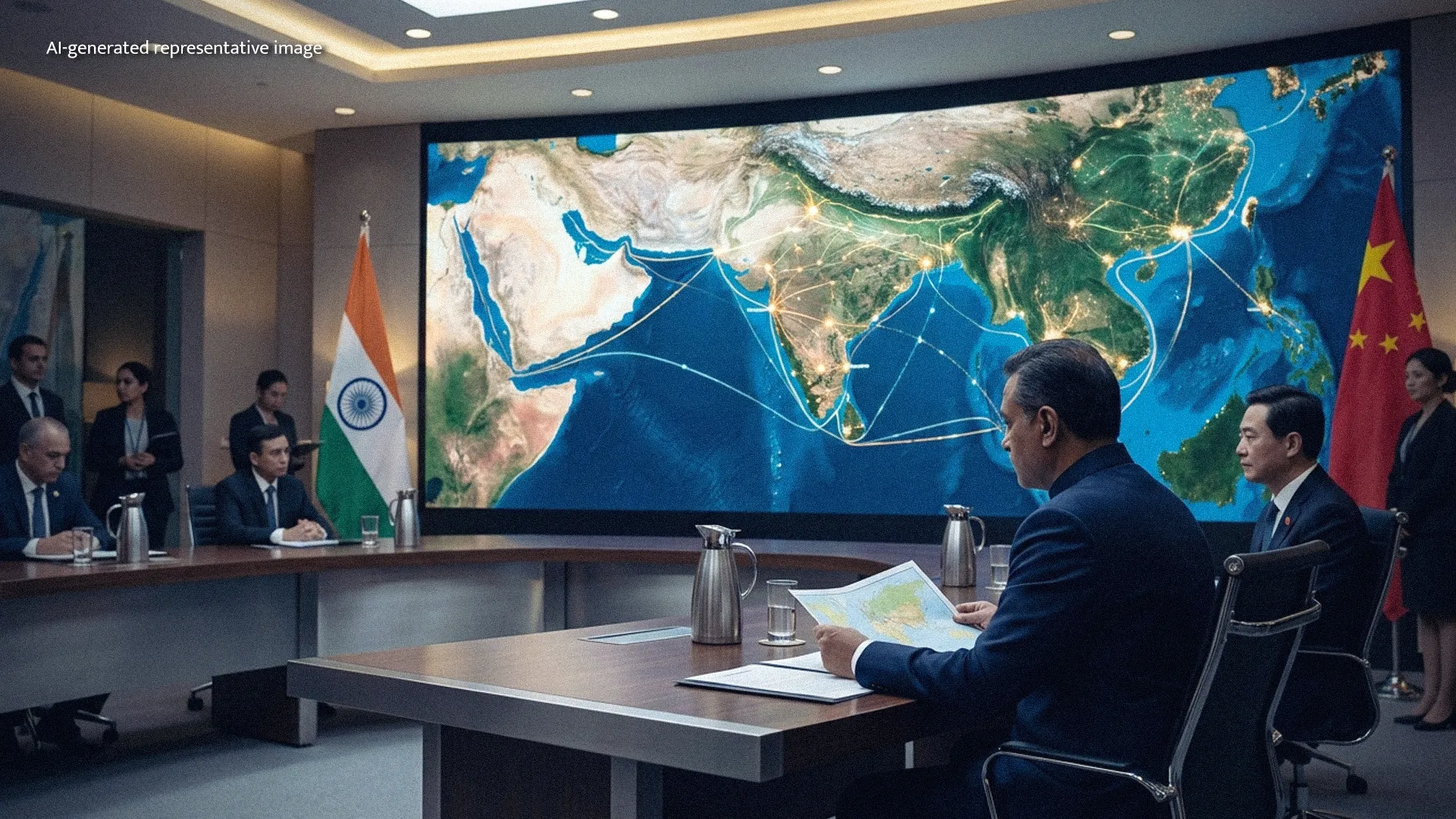
The reopening of the Shipki La trade route, closed after the 2020 Galwan military standoff, is also seen as a signal that limited areas of dialogue between India and China are becoming active again.
However, current trade remains small in scale. It relies primarily on a traditional barter system, and an immediate major economic impact is unlikely.
Therefore, its importance is tied less to trade volume and more to border diplomacy, community contact, and India's economic presence along its Himalayan frontier.
Border Infrastructure and Security
Along with trade, the importance of border infrastructure in the Shipki La region has also grown. India has been advancing road development, trade facilities, and local infrastructure in border areas.
On the other hand, China's expansion of infrastructure related to border settlements, transportation networks, and surveillance capabilities in Tibet has also become part of the regional security debate.
This positions Himalayan passes like Shipki La not just as commercial hubs, but as arenas for border security, infrastructure competition, and strategic access.
Strategic Significance for India
For India, Shipki La is not merely a matter of border development in Himachal Pradesh. It is also a route reminding of India's historical contact in the Himalayas, cross-border ties of local communities, and traditional trade relations with Tibet.
The resumption of trade offers local Indian border communities an opportunity to reconnect with traditional economic activities. Additionally, it can strengthen India's economic and institutional presence along the Himalayan border.
Hence, the reopening of Shipki La can be viewed as broader border diplomacy and restoration of regional connectivity rather than a routine commercial decision.
An Important Message for Nepal
The Shipki La episode is also relevant to Nepal. Historically, Nepal's Himalayan terrain has served as a crucial region for trade, religious pilgrimage, and cultural ties between India and Tibet.
For Nepal, this event poses an important question: Should Himalayan borders be viewed solely as security zones, or also developed as living spaces of historical trade, local economies, and cultural interaction?
The reopening of Shipki La highlights not only the economic importance of cross-border trade routes in the Himalayas, but also the weight of history and geopolitical narratives.
Ultimately, while the resumption of trade via Shipki La is a small economic activity, its political significance is profound. Which history is acknowledged, how Tibet's historical role is understood, and on what basis future relations along the India-China border are built—Shipki La has become the confluence of all these questions.