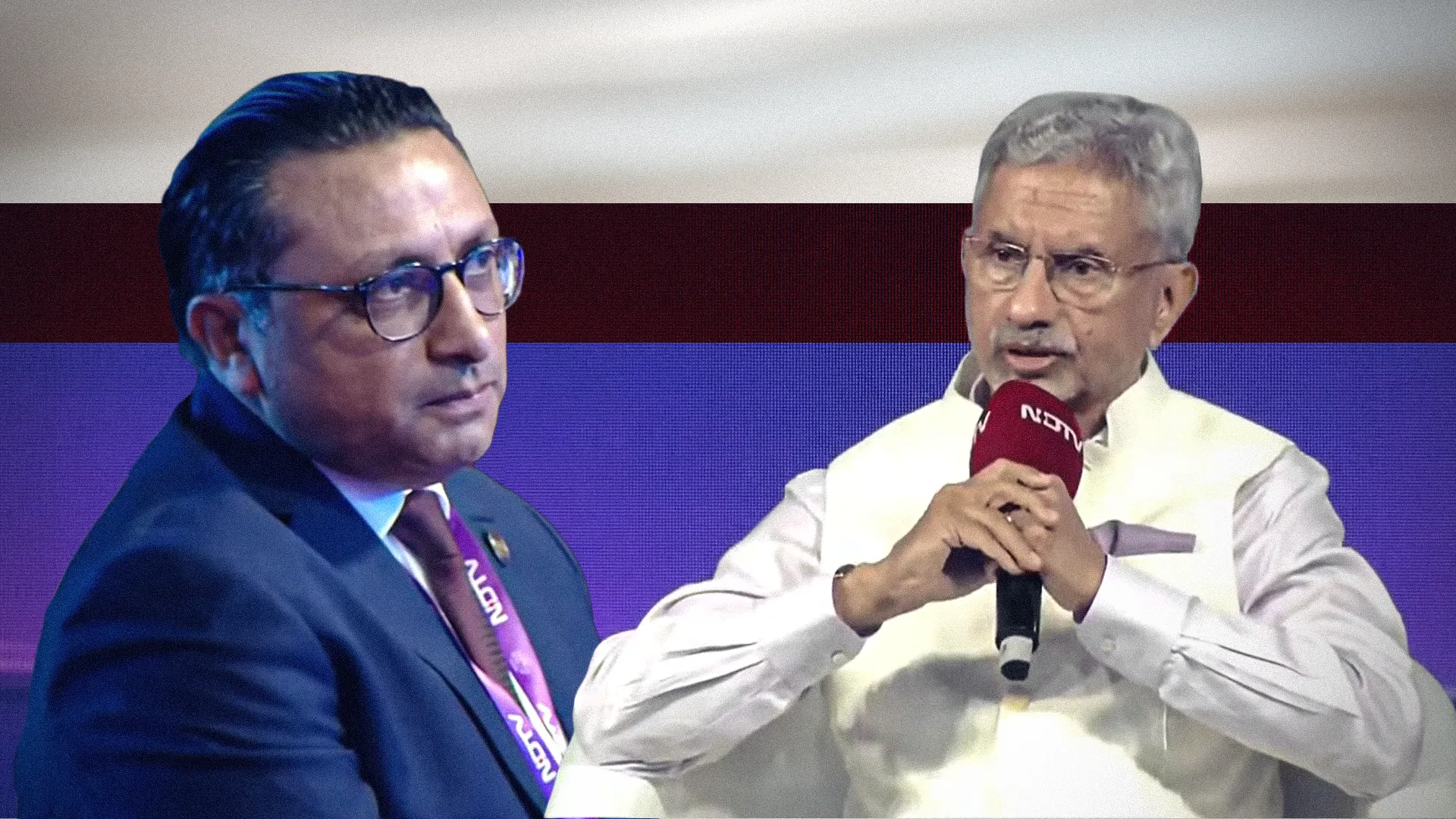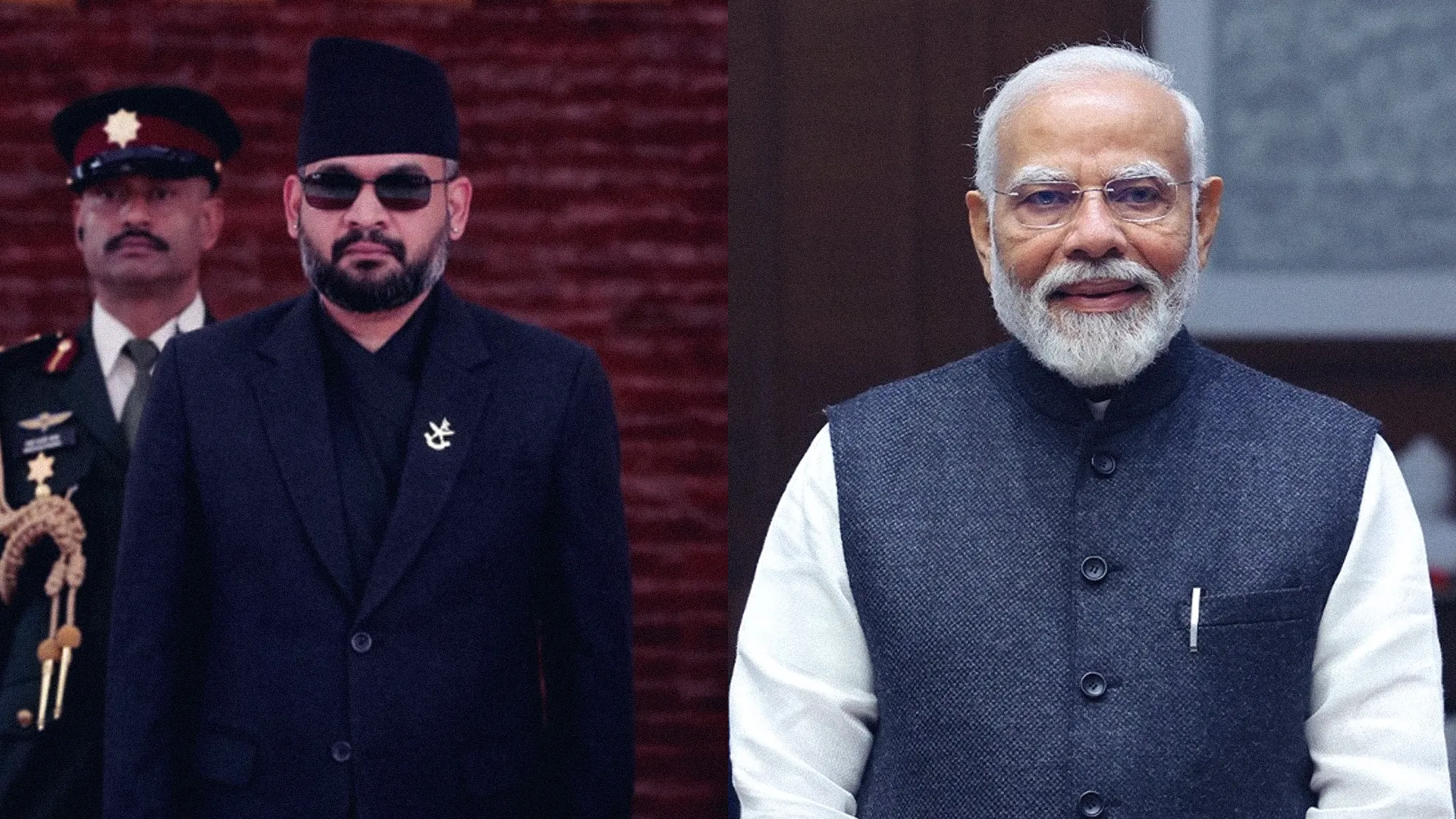



The recent article written by the Chairman of the Rastriya Swatantra Party (RSP) and former Deputy Prime Minister, Rabi Lamichhane, in the Indian media outlet Hindustan Times has created a new wave in the political and diplomatic circles of both Nepal and India. This article was published in a unique political situation in Nepal, where the RSP sidelined traditional powers in the general election and handed over the reins of power to the youth and new leadership with a near two-thirds majority. Diplomats have taken this move by Lamichhane as a 'new generation's perspective' of looking at and changing the traditional relations between Kathmandu and New Delhi. According to experts in South Asian geopolitical affairs, through this article, Lamichhane, representing the changing domestic political landscape of Nepal, has strongly advocated for a new diplomacy based on results and professionalism, distinct from the style of narrow and nationalist slogan-mongering that has been going on for years in relations with neighboring India.
In his article, Lamichhane has explained the rise of RSP as a 'peaceful revolution through the ballot box,' clarifying that the current new leadership does not carry any past political or diplomatic 'burden.' He appears firm that they will not get entangled in old animosities, narrow-mindedness, or small patch-ups and internal understandings made inside rooms by past leaders. While remaining fully committed to the sovereign treaties between the two countries and the emotional relations between the peoples, he argues that Nepal-India relations must be taken out of the periphery of geopolitical tension. Proposing that future diplomacy should be entirely focused on 'development diplomacy,' Lamichhane has emphasized that both countries must cooperate on concrete agendas of economic and technological partnership, which can address the economic ambitions of the younger generation on both sides.
To make the relationship modern and practical, Lamichhane has risen above traditional agendas to present a detailed blueprint of what kind of concrete economic and technological partnership plans can be taken forward. Linking the context of rapid railway expansion happening in India, he stated that the Raxaul-Kathmandu railway should be completed as soon as possible to bring about an economic revolution. In addition to this, he has put forward proposals to build a 'digital corridor' between Kathmandu and South India’s technology hub Bengaluru, further strengthen the cross-border digital payment system, and develop Nepal’s hydropower as a 'green engine' for India's industrial sector. Pointing out new possibilities in the tourism and education sectors as well, he insisted that direct flights should be started from Pokhara and Lumbini International Airports to major cities of India, and cooperation should be made to establish India’s prestigious educational institutions like IIT and AIIMS from the health sector in Nepal.

Interested in this ad?
Would you like to continue to the link or provide your information for more details?
Please provide your information
To continue, please fill in your details
This article has come at a time when a new and non-traditional leadership is running the governance system in Nepal, due to which it is being viewed seriously in diplomatic circles in New Delhi as the real aspiration of Nepal's 'ambitious youth generation.' According to Indian analysts, Lamichhane mentioning the context of Indian Prime Minister Narendra Modi’s address to Nepal’s Parliament in 2014 and his direct dialogue with the people, and raising the point that relations should be returned to that same point of old trust and intimacy, is a strategically mature and positive step. However, the article also takes a stand that old disputes arising due to borders or history should not be hidden under the carpet but must be resolved on the basis of historical facts, which shows that even though the new diplomatic leadership is open to economic partnership, it is not in favor of compromising on issues of national interest.
Diplomatic analysts in Kathmandu have commented on this step of Lamichhane as 'critical optimism,' stating that talking about a new diplomatic language and corporate working style is welcome. However, they say that to resolve the complex issues pending for a long time with India and to turn the big projects mentioned in the article into reality, strong administrative preparation, a clear vision, and diplomatic continuity will be equally necessary. The idea expressed by Lamichhane at the end of the article, using the metaphor of rivers, that the Bagmati and Ganga rivers make their own way without compromising with the mountains and Nepal will do the same, reflects the confidence of the new leadership. The bilateral visits, dialogues, and cooperative efforts said to take place in the coming few months will make the final determination of how smooth and fruitful this 'new diplomatic path' will be.