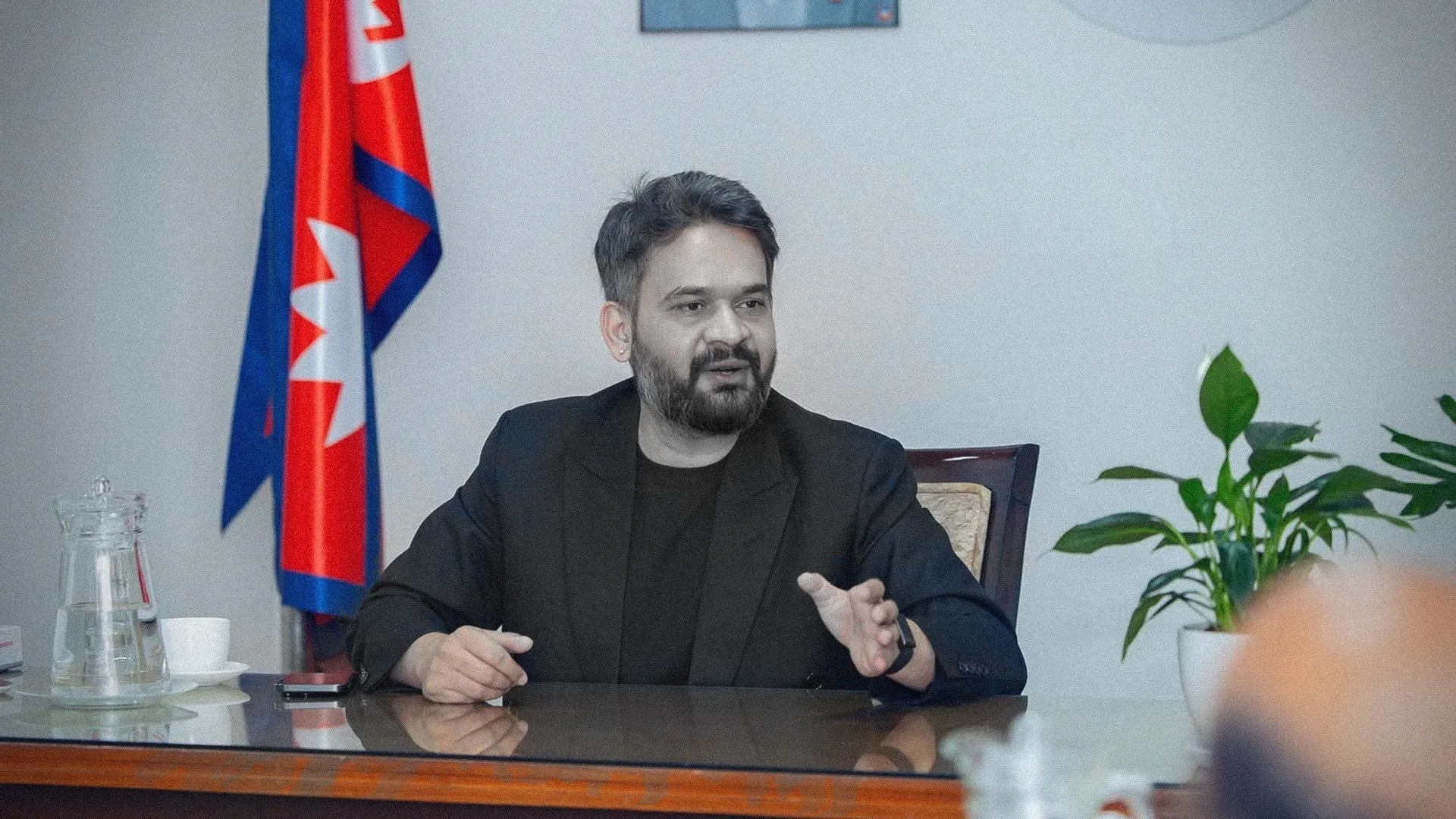


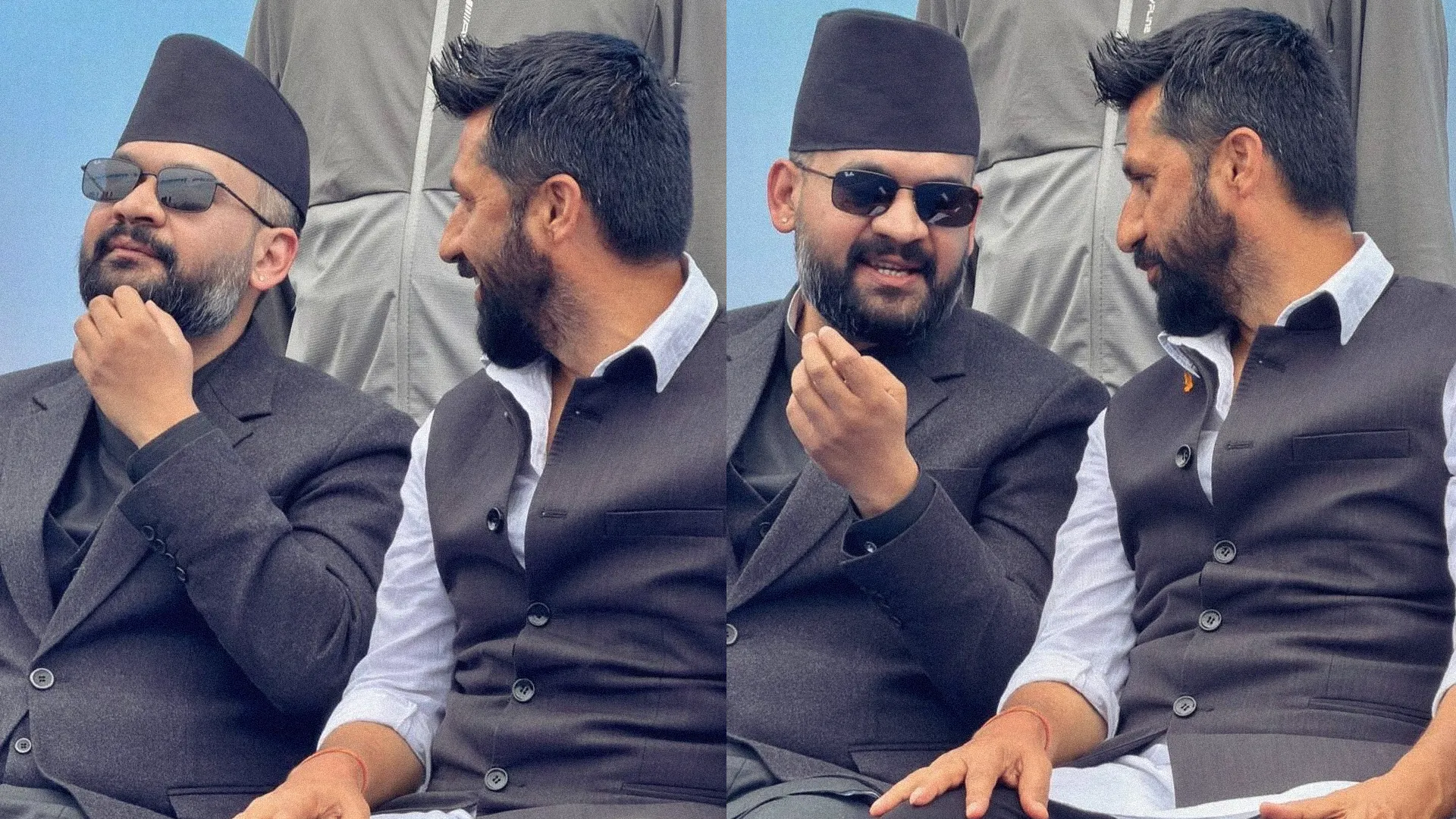
Balen absent from newly elected MPs’ orientation. Ravi prefers a traditional model of governance, while Balen seeks full autonomy.
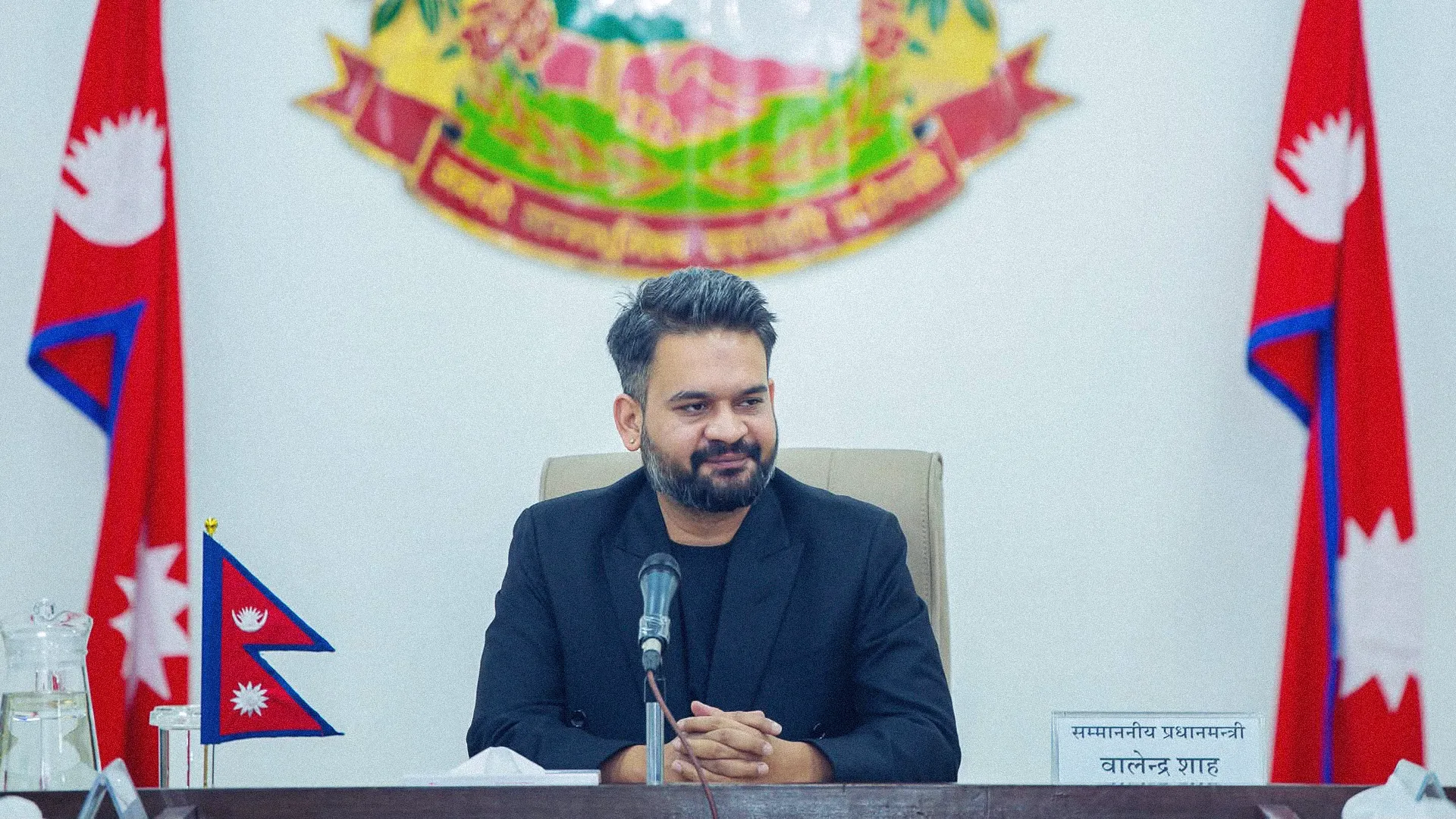
Kathmandu — On the eve of forming a new government, serious differences have emerged within the Rastriya Swatantra Party (RSP) between party chair Ravi Lamichhane and prime ministerial candidate Balen Shah over the distribution of power. While it may appear as a smooth transfer of authority externally, internally a “cold war” has begun between the two leaders over who will run the government and who will select ministers.
The lack of understanding between the two leaders has begun to surface. Balen Shah’s absence from a key orientation program for newly elected MPs has drawn attention. Moreover, he has visited the party office only once, signaling a growing distance between him and the party leadership.
Core Dispute: Who Selects Ministers?
According to senior political sources, the main disagreement revolves around the “model” of governance:

Interested in this ad?
Would you like to continue to the link or provide your information for more details?
Please provide your information
To continue, please fill in your details
Ravi’s Approach (Traditional Model):
Lamichhane is reportedly preparing to place Balen in the position of Prime Minister while retaining authority to select all ministers himself. His intention is to keep policy-making and daily governance under the influence of the party center. This reflects the traditional political practice where the party chair holds the “remote control” of the government.
Balen’s Position (Modern Model):
Balen does not agree with this model. His stance is clear—once he assumes leadership, he wants full autonomy in forming the cabinet and running the government. He has suggested that Lamichhane focus on party affairs, parliamentary committees, and roles like Speaker. According to Balen, the party should handle the legislature, while the Prime Minister should have independent authority to deliver governance.
Unresolved Talks and Rising Uncertainty
Due to this clash over working style and authority, internal politics within the RSP has become increasingly tense. Intensive discussions are reportedly ongoing to find common ground, but no concrete conclusion has been reached so far.
On one side, Lamichhane seeks to reflect party control within the government, while on the other, Balen aims to establish an independent and interference-free leadership in Singha Durbar. This conflict between two political approaches—traditional versus modern—risks delaying the government formation process and shaping the party’s future trajectory.