China may have officially welcomed the RashtriyaSwatantra Party’s (RSP) victory in Nepal’s elections, but internally the outcome represents a significant setback for Beijing. The elimination of the communist parties — long seen as China’s closest political partners in Kathmandu — has altered Nepal’s political landscape and raised questions about Beijing’s future influence in the Himalayan nation.
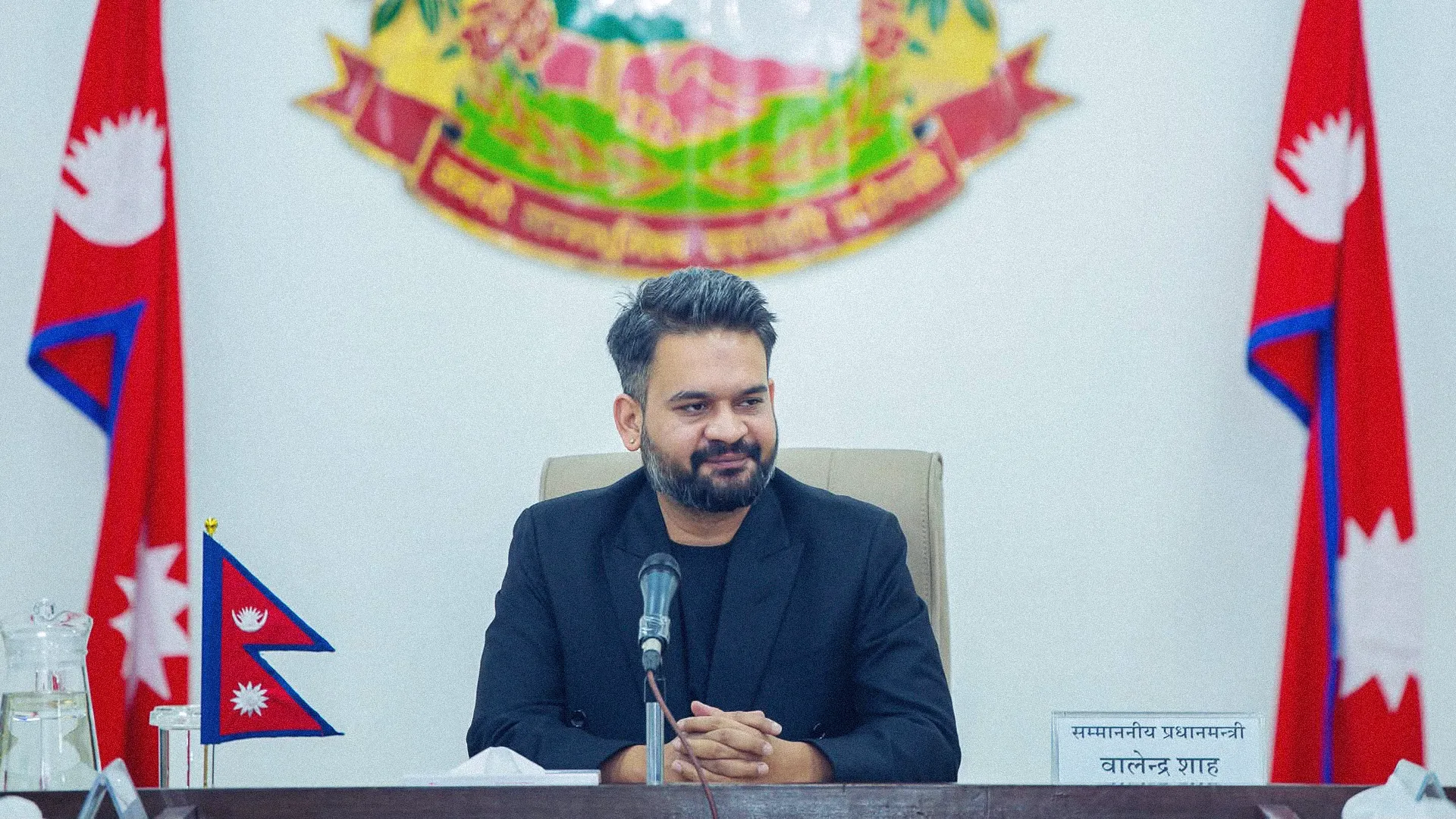
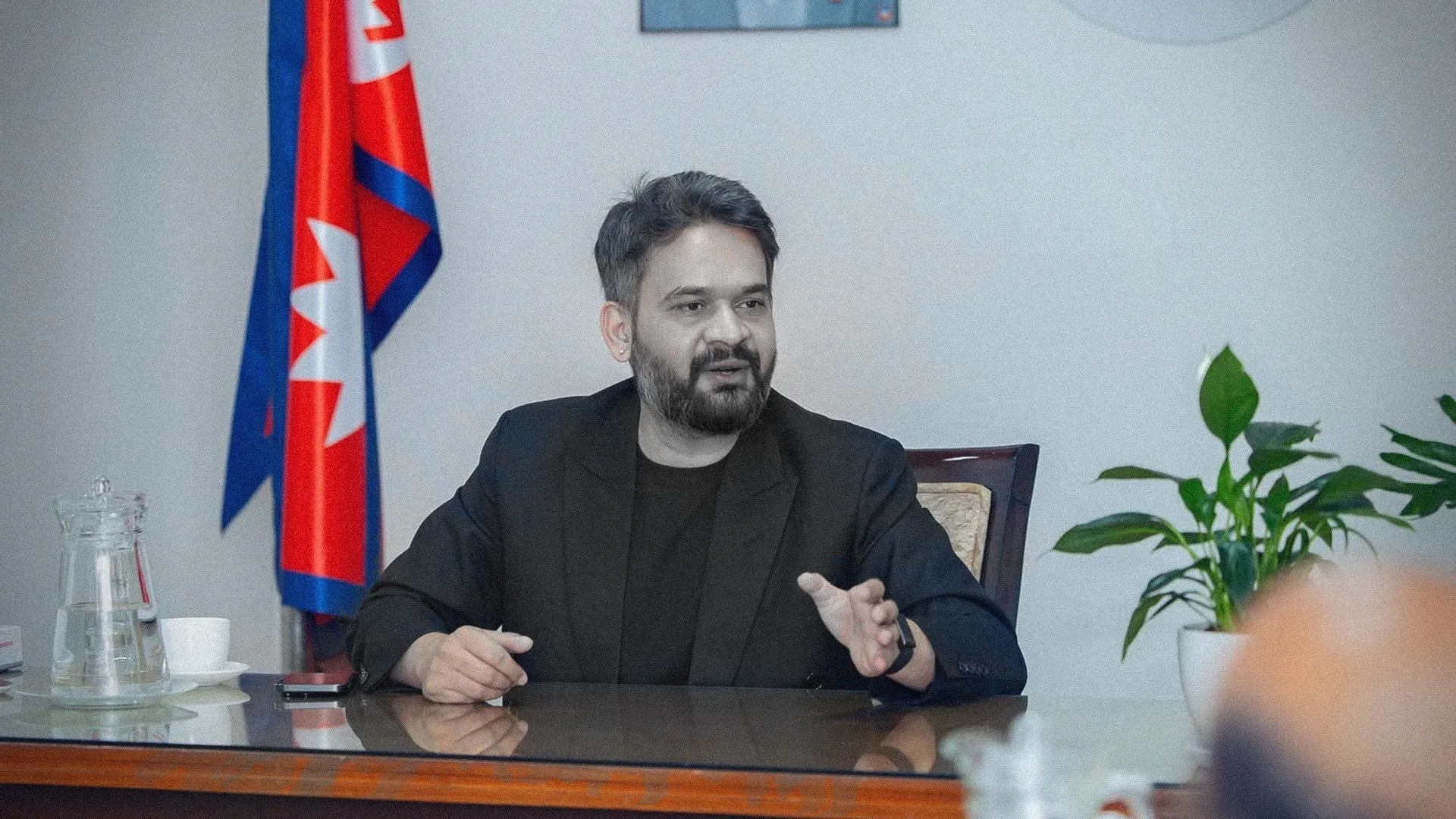
The situation became even more dramatic when the RSP, led by 35-year-old rapper and former Kathmandu mayor Balendra Shah, defeated former Prime Minister K.P. Sharma Oli, 74, in Jhapa-5 — traditionally considered a safe seat for him — by a huge margin, paving the way for Shah to emerge as Nepal’s next prime minister.
For China, which has spent years lobbying Nepal’s disparate communist parties to unite, the outcome is widely seen as a major blow. Beijing had worked strategically to stitch together a “leftist unity” alliance to secure a stable, pro-China government in Kathmandu. However, the electorate — particularly young voters — rejected that formula.
With the communist parties reduced to minor players, China is unlikely to receive the same political preference it once enjoyed, said experts. In fact, China’s declining influence had already begun to surface in September last year when mass protests erupted in Nepal, forcing K.P. Sharma Oli to resign. Since then, Nepal has been waiting to see who will replace the interim government that has been in place since the September 2025 uprising. The violent protests of September 8–9, widely described as the “GenZ movement,” left at least 77 people dead while parliament and several government buildings were torched.
The interim government led by Prime Minister SushilaKarki came under criticism for its handling of Nepal’s relations with its immediate neighbours, particularly China. Since the formation of the government following the GenZ movement, Prime Minister Karki and senior officials at the Ministry of Foreign Affairs have repeatedly reaffirmed Nepal’s commitment to the One-China policy. However, these assurances appear to have done little to satisfy Beijing.
In recent months, China sent various official and semi-official delegations to Nepal to assess the evolving political situation and its possible implications for bilateral relations. Diplomatic sources in Kathmandu say these visits reflected Beijing’s concerns about political uncertainty following the September protests and the direction the country’s new leadership may take.
For Beijing, Oli’s fall in September represented a political setback. And China sought to preserve its influence in Nepal while adapting to shifting local dynamics.*2 Oli’s exit was significant because he was widely recognised as a pro-China figure. During his three terms as prime minister — from 2015 to 2016, 2018 to 2021, and again from 2024 to 2025 — Nepal and China developed close political ties. The two governments signed several agreements and memoranda of understanding (MoUs), opening avenues for collaboration in connectivity, energy and transportation.
The shift away from communist leadership has left Beijing uneasy. This was clearly reflected in the official reaction of the Xi Jinping government. China’s response to Nepal’s elections was neutral, diplomatic and cautious. Congratulating Nepal on the conduct of the polls, Chinese Foreign Ministry spokesperson Mao Ning emphasized Beijing’s desire to maintain friendly relations and continue cooperation, describing the two countries as “traditional friendly neighbours.”
Communist leaders K.P. Sharma Oli and Pushpa Kamal Dahal had significantly deepened ties with China over the past decade, with Oli particularly tilting towards Beijing. He visited Beijing in August–September last year. His pro-China stance had helped him secure political support from Beijing, which has long viewed Nepal as strategically important for its ambitious Belt and Road Initiative (BRI) as well as for access to the Himalayan region. Yet despite years of negotiations, most proposed BRI projects in Nepal have failed to move beyond the planning stage.

Interested in this ad?
Would you like to continue to the link or provide your information for more details?
Please provide your information
To continue, please fill in your details
China also considers Nepal an important country in its efforts to curb activities related to the Tibetan community, which Beijing views as anti-China. The vast majority of Tibetan refugees in Nepal — estimated to be more than 20,000 — remain undocumented due to pressure exerted by Beijing on Kathmandu.
Although the RSP has not yet articulated a detailed foreign policy doctrine, analysts say that Shah’s public statements and the party’s campaign messaging suggest a nationalist approach that does not favour any single external partner.
Recognising the RSP’s growing influence, China has no choice but to adjust its tone. Chinese Ambassador Chen Song recently indicated that Beijing is interested in establishing institutionalised communication with the RSP leadership. He said that the focus is not on whether to realign the relationship, but how to connect with each other. He also added that China will closely follow the RSP’s foreign policy agenda and seek to align cooperation with initiatives such as the Belt and Road Initiative.
These remarks are consistent with China’s economic diplomacy, which has long sought to protect its strategic and economic interests abroad. According to a study on Nepal–China relations, China has often negotiated from a position of strength, relying on strategic preparation, timing and demands for reciprocal concessions.
The study also found that significant power asymmetry frequently placed Nepal at a disadvantage in negotiations. In the case of the Belt and Road Initiative, China has linked multiple initiatives —and created additional pressure on Kathmandu during negotiations.
The Pokhara Regional International Airport illustrates this dynamic. Chinese officials initially framed the project as critical to Nepal–China relations while offering financial support at a high political level. Later, the airport was incorporated into the BRI framework. Last year, Nepal’s anti-corruption agency filed charges against former ministers, bureaucrats and a Chinese state-owned company in connection with alleged embezzlement during the construction of the Pokhara airport project.
Observers note that the new leadership is likely to maintain Nepal’s long-standing commitment to the One-China policy while safeguarding security along the Tibetan border.
More importantly, Nepal’s new leadership must send a clear and unequivocal message to Beijing that it is no longer willing to accept political pressure, opaque economic arrangements or attempts to influence its domestic decision-making.
The political transformation in Nepal reflected a growing public sentiment that foreign partnerships must respect the country’s independence, institutional integrity and democratic choices. The message from Kathmandu should be unambiguous: Nepal is open to cooperation, but it will no longer tolerate attempts by any external power to exploit its vulnerabilities or interfere in its internal affairs.