

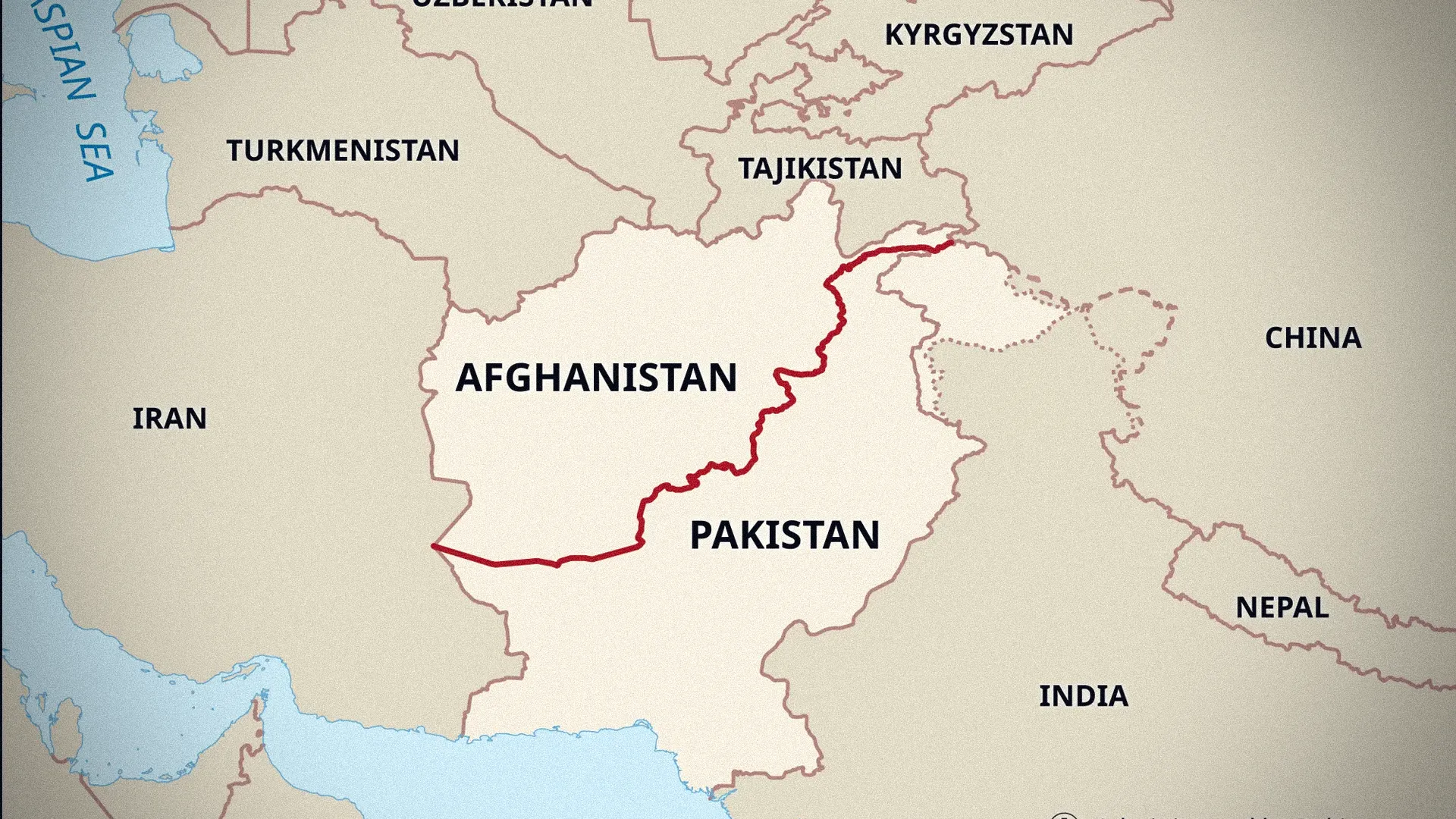
Kathmandu — Relations between Pakistan and Afghanistan have become further strained following an airstrike by the Pakistani military in the eastern region of Afghanistan. Pakistan has presented the attack as an operation against armed groups active in the border area, while the Afghan side has opposed the military action on its territory, stating that it resulted in civilian casualties.
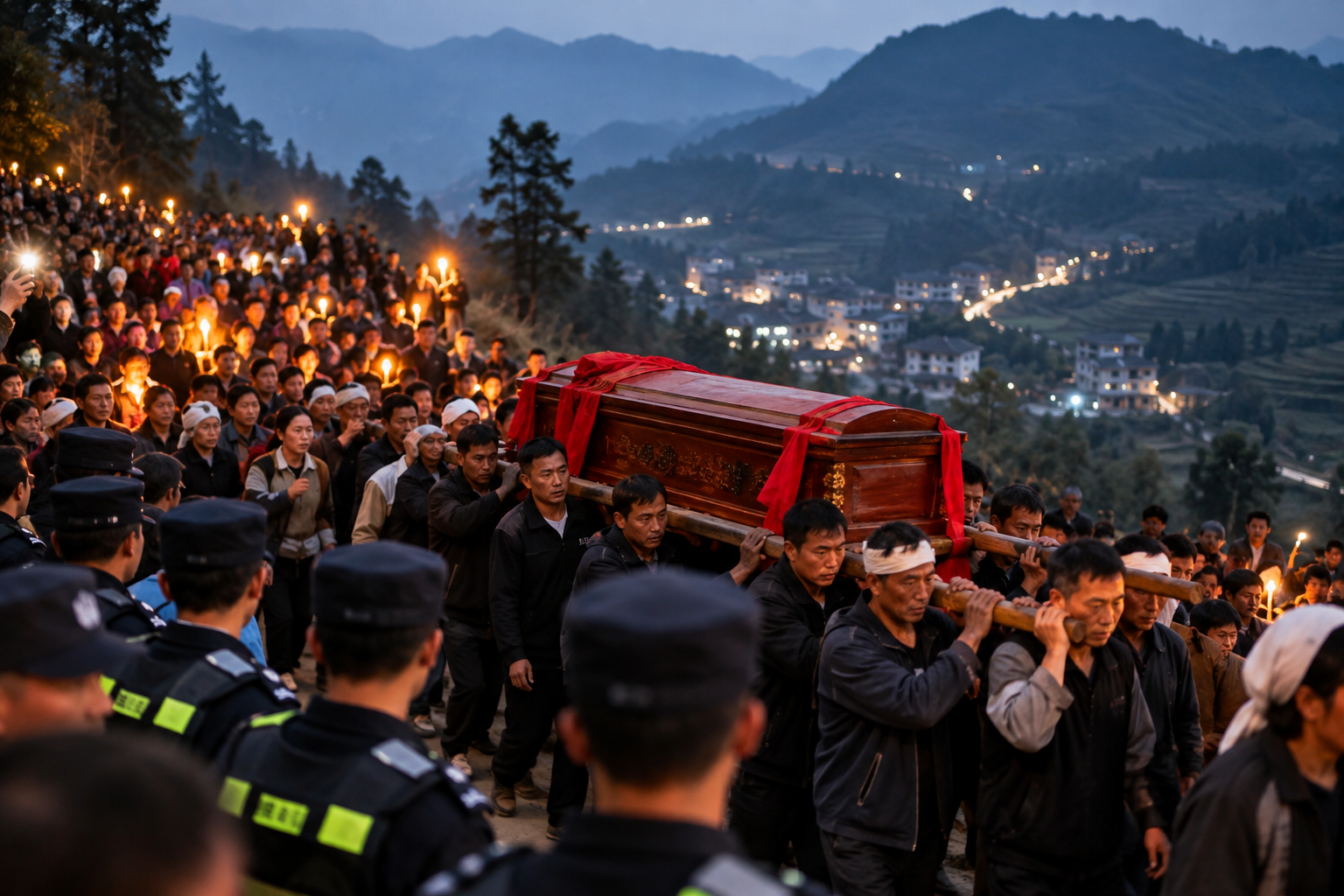
On September 21, Pakistan conducted airstrikes in Afghanistan's Paktika and Kunar provinces. According to Pakistani officials, 28 militants were killed in the operation. However, according to Afghan Taliban officials and United Nations sources, at least three civilians—including a man, a woman, and a young girl—were killed in the attack.
Pakistan has described its action as a response to recent terrorist attacks. Islamabad claimed that action against sanctuaries of armed groups located in Afghan territory was necessary, particularly following a deadly attack in Kohat, Pakistan. AP reported that at least 21 people were killed and more than 100 injured in the Kohat incident.
However, the fine line between security challenges and civilian protection has become the central issue of the current dispute. Creating a situation where military action in another country's territory under diplomatic and security pretexts causes harm to civilians poses a serious challenge to regional stability.
An analysis by Khaama Press links the humanitarian impact of Pakistan's recent security policy to the pressure placed on Afghan refugees, students, journalists, and the general public. The analysis raised questions about the need to maintain a clear distinction between civilians and armed groups, even when military operations are conducted in the name of national security.

Interested in this ad?
Would you like to continue to the link or provide your information for more details?
Please provide your information
To continue, please fill in your details
This year, violence and mutual accusations along the border area between Pakistan and Afghanistan have been rising. Islamabad has been accusing groups including Tehrik-i-Taliban Pakistan (TTP) of conducting attacks in Pakistan from Afghan soil. Kabul, on the other hand, has consistently denied such allegations.
According to the United Nations, deaths and injuries of Afghan civilians due to Pakistani military operations have been recorded previously as well. A report released by the UN Human Rights Office in March stated that in 2025, Pakistani military forces caused 87 civilian deaths and injured 518 people in Afghanistan.
The recent incident has brought the complex relationship between Afghanistan's sovereignty, border security rights, and anti-terrorism operations back to the surface. While stopping armed violence within its own territory is a major security challenge for Pakistan, military operations in Afghan territory risk deepening bilateral tensions if they increase civilian casualties.
The impact of Pakistan-Afghanistan tensions in South Asia could extend beyond the borders of the two countries. Continuous military tensions in border areas, refugee issues, and anti-terrorism campaigns could affect regional security, trade, and humanitarian movement, making it essential to prioritize diplomatic dialogue and civilian protection alongside security operations for a long-term solution.