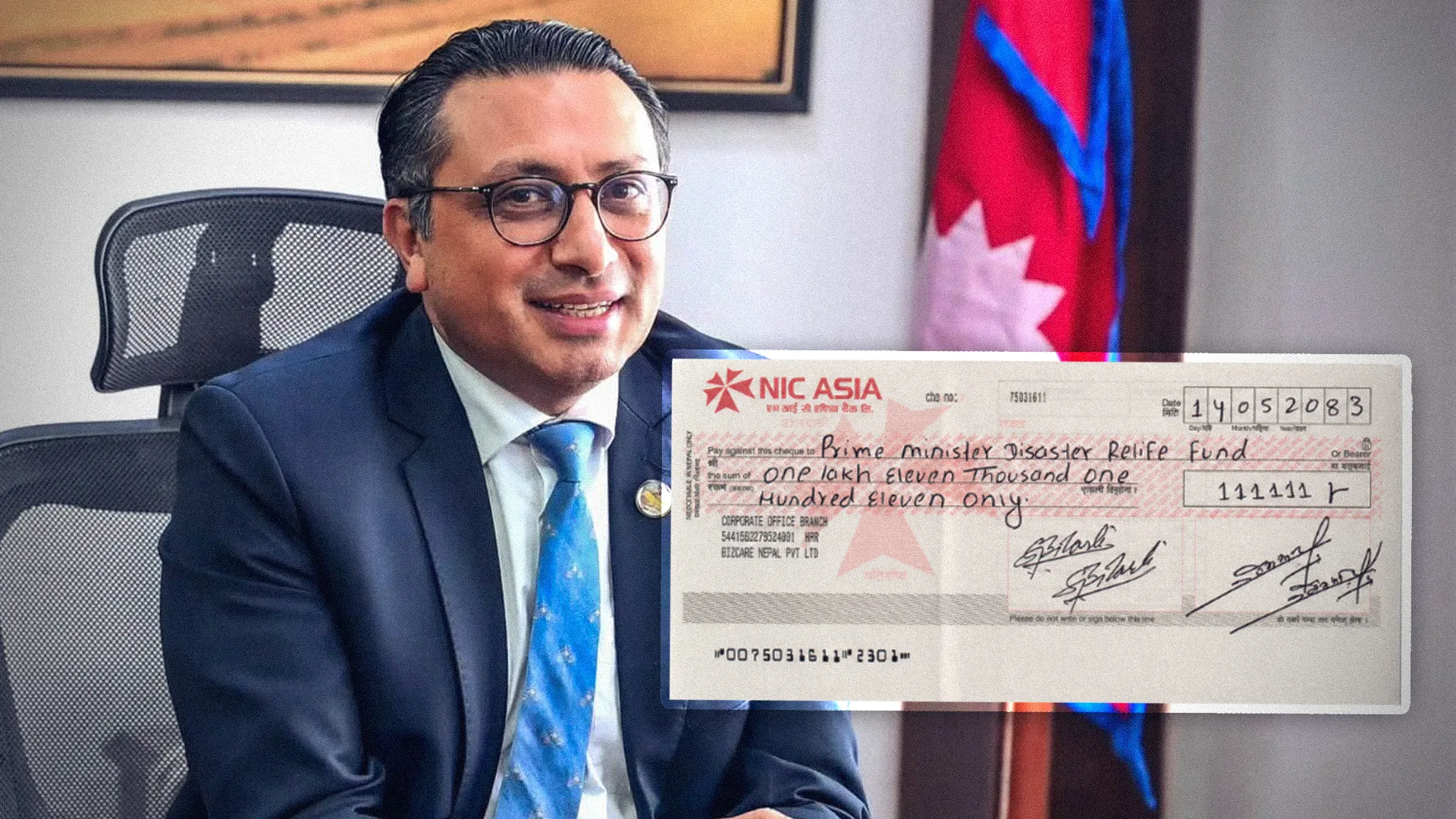


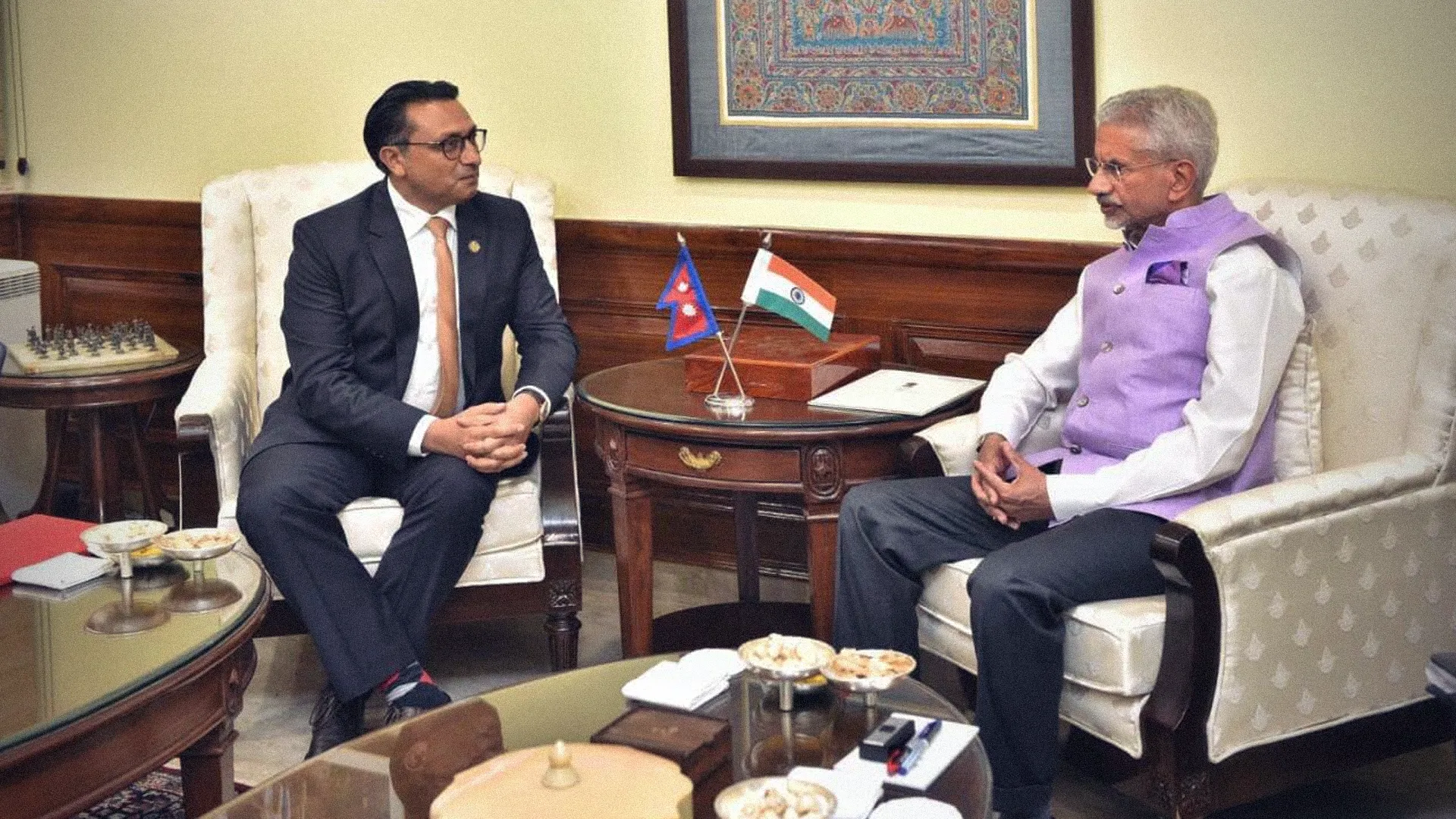
Devastating floods across Nepal have prompted a major diplomatic and economic push, with rebuilding requirements estimated between $4.7 billion and $5 billion over the next three to five years. Finance Minister Swarnim Wagle, speaking during an official visit to New Delhi, emphasized that the new administration is prioritizing resilient infrastructure reconstruction while actively resetting cross-border partnerships.
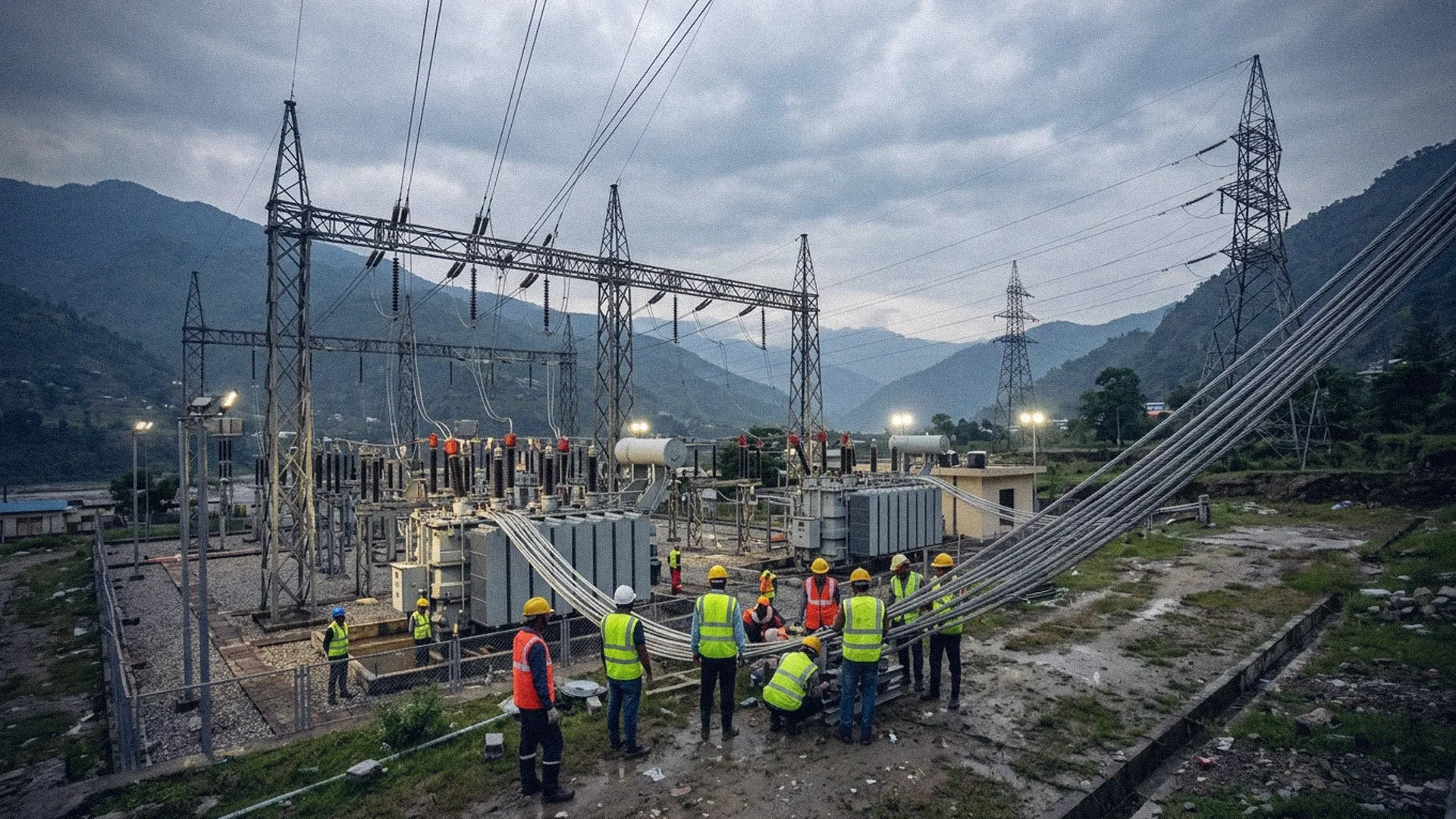
According to rapid assessments by the National Disaster Risk Reduction and Management Authority, direct physical damage from the recent Bhotekoshi river disaster stands at $1.8 billion, accompanied by $900 million in economic losses. Officials fear total casualties could reach between 8,000 and 10,000 lives, alongside extensive destruction to highways, bridges, public housing, and energy facilities.
To address the severe destruction, which crippled roughly 20 percent of Nepal’s hydropower generation capacity, New Delhi has assured an emergency supply of 650 megawatts of electricity alongside steady deliveries of essential goods like LPG, sugar, and oil. Minister Wagle noted that Nepal is seeking Indian grant assistance for public infrastructure alongside concessional lines of credit denominated in Indian Rupees for power grid rehabilitation.

Interested in this ad?
Would you like to continue to the link or provide your information for more details?
Please provide your information
To continue, please fill in your details
Beyond immediate relief, the visit signals a broader strategic shift under Prime Minister Balen Shah’s government, moving away from past anti-Indian political rhetoric toward practical economic integration. Core priorities include securing long-awaited overflight rights for Pokhara and Bhairahawa regional airports, revising the bilateral trade treaty, and modernizing transit checkpoints.
Addressing geopolitical dynamics, the Finance Minister acknowledged India's policy constraints regarding Chinese-funded power projects, affirming that Kathmandu is adapting its development strategy accordingly. Following engagements in Delhi, Nepal will present its $5 billion recovery plan to multilateral institutions, including the World Bank, International Monetary Fund, and Asian Infrastructure Investment Bank.