

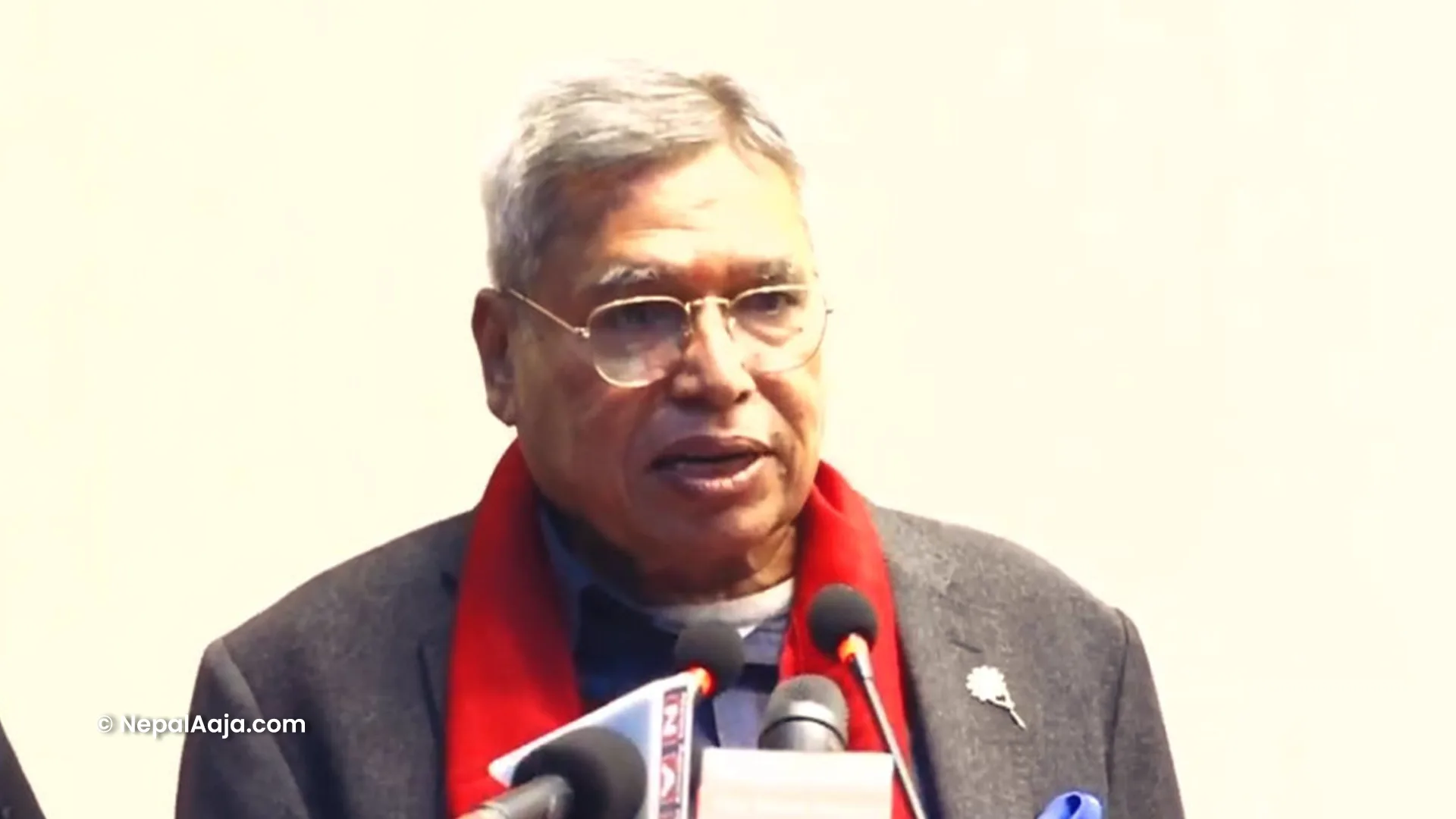
Nepal’s private sector has raised serious alarms regarding the nation's severe economic vulnerability to the escalating conflict in the Middle East. Speaking at the 33rd Annual General Meeting of the Nepal Trade Association on Saturday, Nepal Chamber of Commerce (NCC) President Kamlesh Kumar Agrawal warned that the ongoing geopolitical tensions, particularly the strategic blockade of the Strait of Hormuz by Iran, pose an imminent and critical threat to Nepal’s energy security.
Because Nepal relies entirely on India for its fuel, and India imports 90% of its crude oil and 60% of its LPG via the increasingly volatile Strait of Hormuz, any disruption in that corridor will inevitably choke off Nepal’s supply chain. Agrawal stressed that the incoming government must proactively manage this impending crisis to prevent severe economic paralysis.
Beyond global threats, Agrawal highlighted pressing domestic concerns. He noted that recent "Gen-Z protests" have battered the morale of the private sector. To counter this, he demanded that the state guarantee security for businesses and introduce a domestic "Investment Promotion and Protection Policy," mirroring the Bilateral Investment Promotion and Protection Agreements (BIPPA) usually reserved for foreign investors.

Interested in this ad?
Would you like to continue to the link or provide your information for more details?
Please provide your information
To continue, please fill in your details
Despite these challenges, the NCC President expressed cautious optimism regarding the country's political shift. Noting the Rastriya Swatantra Party's near two-thirds electoral victory, Agrawal stated that this newfound political stability provides a vital foundation for economic revival. He praised the party's ambitious manifesto, which targets an average annual economic growth rate of 7%, aims to expand the economy’s size to 10 trillion Rupees (from the current 6 trillion), and plans to more than double the per capita income to $3,000.
However, to achieve these lofty goals, Agrawal insisted the government must immediately dismantle restrictive bureaucratic hurdles. He called for sweeping reforms, including the abolition of retroactive taxes, the dissolution of the Revenue Department, the introduction of a Credit Recovery Act, the mandatory inclusion of the private sector in market monitoring, and increasing the cash transaction limit to 1 million Rupees.
The private sector is now looking to the new administration to translate its electoral promises into actionable, business-friendly policies that can insulate Nepal from global shocks while stimulating robust domestic growth.