


Aggressive infrastructure expansion across Nepal’s ecologically sensitive mountain regions is accelerating severe environmental degradation while creating long-term financial vulnerabilities, highlighting the urgent need to balance development with ecological survival.
The catastrophic Rasuwa ice-rock avalanche and flash flood on August 26, 2026, served as a stark warning of these growing risks. The glacial breach hurled down torrents of debris that claimed hundreds of lives, leveled entire villages, severed major mountain highways, and swept away crucial bridge connections.
Disruption to National Energy Balance
The disaster struck a massive blow to the country's energy infrastructure, disabling twelve hydropower stations in a single morning. The sudden damage disrupted the national grid, forcing Nepal to halt electricity exports to India and urgently import approximately 650 megawatts from India to keep its domestic power grid functional.
Financial Toll and Reconstruction Needs
According to Nepal's Rapid Damage and Needs Assessment (RDNA), rebuilding the devastated infrastructure will require an estimated NPR 723.31 billion (approximately USD 4.8 billion). Beyond the massive monetary requirement, the assessment captures the extreme vulnerability of communities living on the front line of climate hazards.
Expanding Footprint of Mega Infrastructure
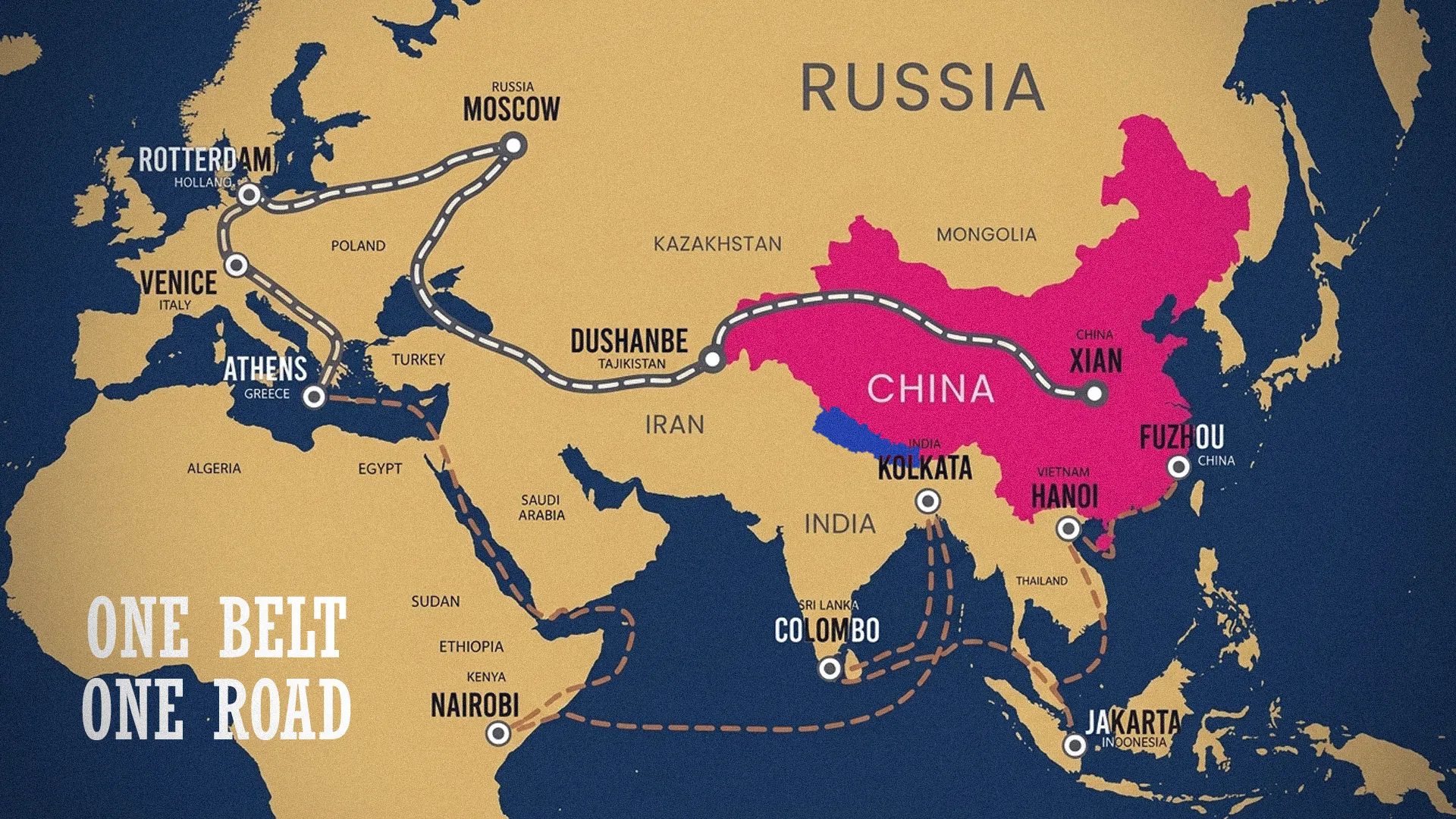
Cross-border infrastructure initiatives under China's Belt and Road Initiative (BRI)—such as the proposed Kyirong–Kathmandu railway, highway expansions, dry ports, and industrial parks—demand extensive hillside cutting, tunneling, and heavy construction across unstable geological terrains.

Interested in this ad?
Would you like to continue to the link or provide your information for more details?
Please provide your information
To continue, please fill in your details
Vulnerabilities in Hydropower Sectors
Hydropower projects situated in steep, high-sediment river corridors like West Seti, Tamor, and Budhi Gandaki face perpetual geomorphic threats. Tunnelling and reservoir creation weaken steep valley slopes, hasten erosion, and increase downstream flood risks while sediment-heavy rivers damage power turbines.
Perilous Railway Corridor
The planned 2,900-kilometer China–Nepal corridor's Kyirong–Kathmandu section remains particularly precarious. Traversing fractured permafrost, active seismic faults in the Rasuwa–Langtang region, and liquefaction-prone lacustrine soils in Kathmandu Valley, the route intersects fragile glacial systems and moraine dams.
Financial Exposures and Geopolitical Realities
Funding these capital-intensive projects through commercial loans from Chinese banks presents economic risks for a nation reliant on remittances and constrained by low export volumes. While seeking northern routes through Tibet gained traction after the 2015 trade blockade to reduce reliance on India's Kolkata port, the hostile Himalayan terrain remains a formidable physical barrier.
Protecting the ecological equilibrium of the Himalayas is foundational to Nepal's national security, as unmitigated slope disturbance risks transforming natural hazards into a recurring threat to the nation's stability.