


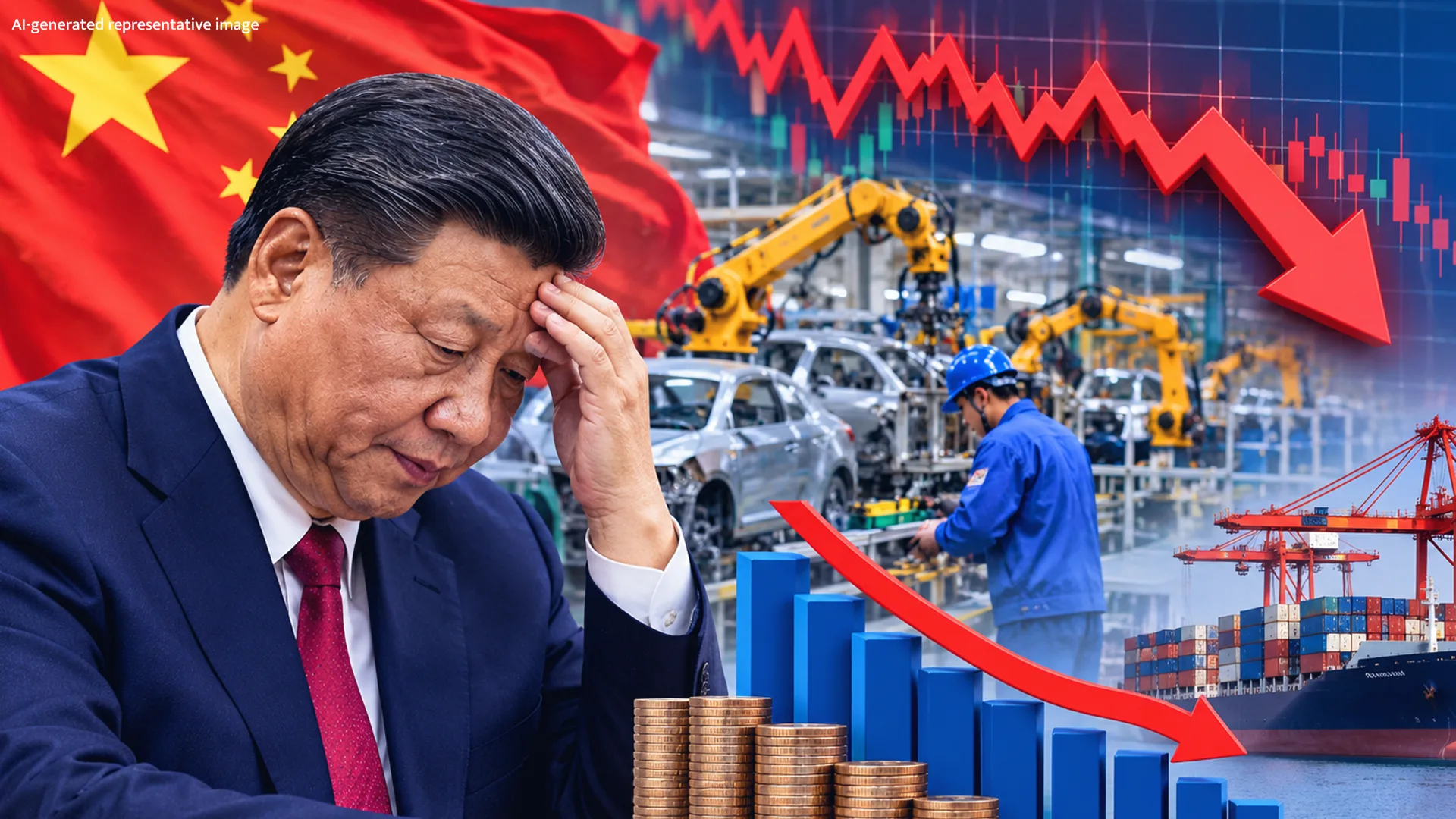
China’s broader economic recovery is confronting renewed operational headwinds as factory floor activity tumbled back into negative territory in October, highlighting persistent vulnerabilities in consumer spending and global trade.
Official purchasing managers' index (PMI) data cited by Reuters indicates that the manufacturing gauge dropped to 49.3 in October 2026, down from September's brief rebound to 50.1. Falling below the critical 50-point threshold that separates industrial expansion from contraction, the latest reading marks the third slump in factory output over the past four months.
The downturn extended beyond standard manufacturing channels into the broader commercial environment. New business orders, foreign trade commitments, raw material purchases, and overall factory output all experienced declines. Simultaneously, the non-manufacturing PMI—tracking momentum across the construction and services sectors—slipped below parity to 49.7, signaling widespread caution among businesses and consumers alike.
Ongoing structural challenges, including a prolonged slump in the real estate sector, elevated industrial input expenses, and fragile consumer confidence, continue to weigh heavily on the nation's production engine.
Despite broad-based pressures, specialized high-tech manufacturing segments demonstrated notable resilience. Strategic industries, particularly aerospace engineering, naval shipbuilding, and advanced electronics, sustained expansionary momentum, offering a stark contrast to traditional industrial contraction.
With core indicators signaling hesitation across the marketplace, economic analysts emphasize that additional policy support and targeted stimulus measures will be essential to rebuild consumer trust and reactivate internal demand in the coming period.