

The intensifying military confrontation between the US-Israeli coalition and Iran has triggered a severe global energy shock and a mounting humanitarian crisis, prompting US President Donald Trump to urgently appeal for international naval deployments to safeguard the Strait of Hormuz. As crude oil prices skyrocket by roughly 40 percent due to shipping disruptions, the economic fallout is compounding a devastating human toll that includes millions of displaced civilians and expanding cross-border violence.
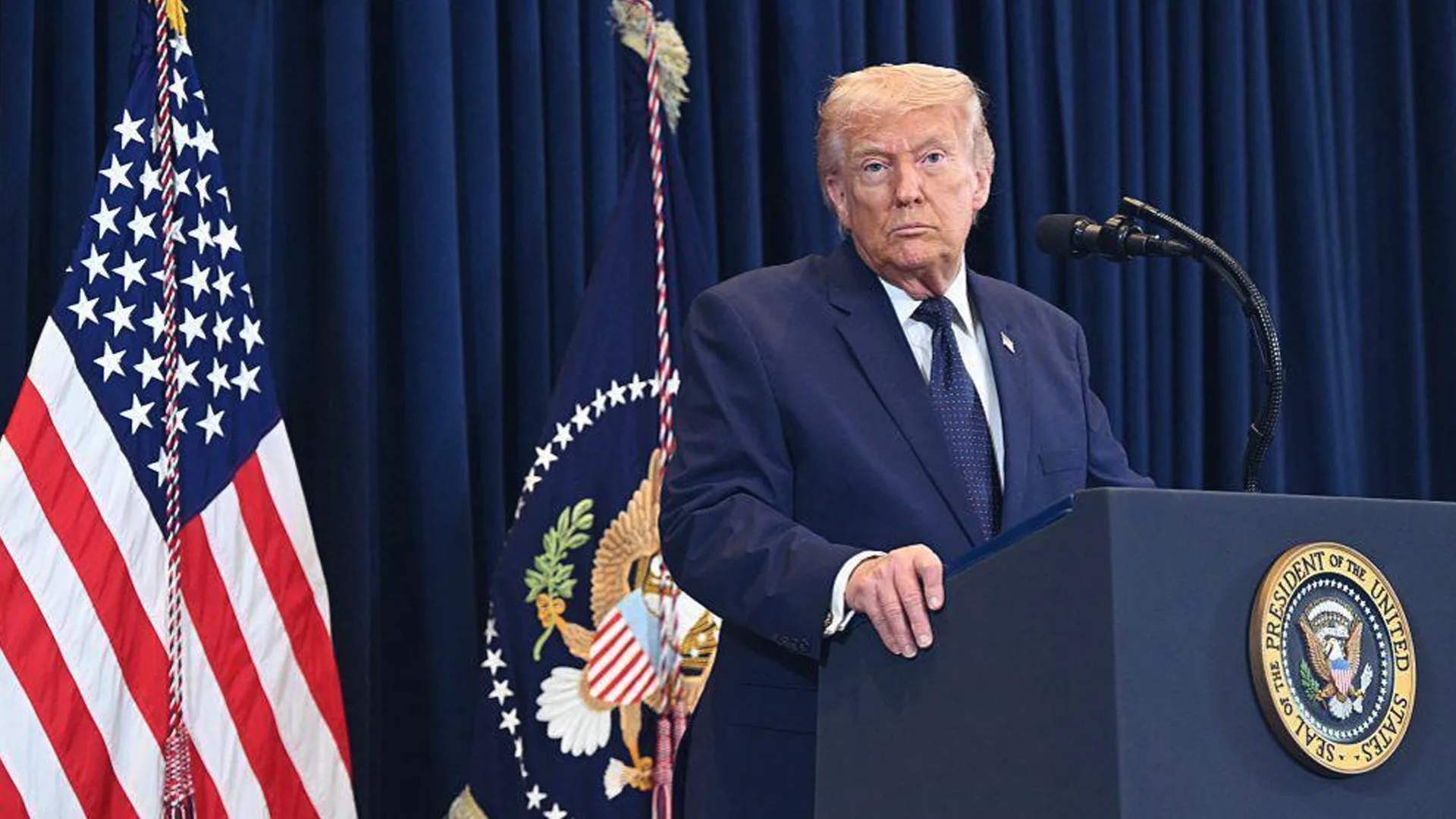
Taking to social media on Saturday, President Trump called upon allied and global powers—specifically naming China, France, Japan, South Korea, and the United Kingdom—to form a joint maritime security force. The initiative aims to protect the critical chokepoint, which typically processes about one-fifth of the world's oil supply, from potential Iranian retaliation.
The appeal follows a relentless bombing campaign initiated by US and Israeli forces on February 28. According to the Pentagon, allied forces have struck more than 15,000 military targets within Iran. Most recently, US forces targeted Kharg Island, Iran's primary oil export hub, on Friday. President Trump stated that this specific operation successfully dismantled military assets while deliberately sparing critical energy infrastructure. In response, Tehran warned of severe retaliation against US-linked energy corporations if its oil facilities suffer further attacks.
Beyond the economic tremors, the conflict has spawned a massive humanitarian emergency. According to the United Nations refugee agency, approximately 3.2 million people have been internally displaced within Iran, with many fleeing the capital, Tehran, and other major urban centers. While the Iranian Health Ministry claims the strikes have killed over 1,200 people, this figure remains independently unverified.
The conflict has also profoundly impacted Iran's internal dynamics and international footprint. Following the death of Supreme Leader Ali Khamenei on the first day of the war, his son and successor, Mojtaba Khamenei, has remained out of public view amid unconfirmed reports that he was injured. Meanwhile, highlighting the domestic unrest, members of the Iranian women's national football team visiting Australia have sought asylum, fearing treason charges after refusing to sing their national anthem.

Interested in this ad?
Would you like to continue to the link or provide your information for more details?
Please provide your information
To continue, please fill in your details
The battlefield has rapidly expanded across the Middle East. US news outlets report the deployment of the amphibious assault ship USS Tripoli and roughly 2,500 Marines to the region. The US military has acknowledged the loss of 13 service members so far, though officials clarified that six died in a refueling plane crash in Iraq rather than from enemy fire.
Simultaneously, Tehran has demonstrated its regional reach by launching drones and missiles toward Israel and neighboring Gulf states. Explosions have rattled Jerusalem, while the United Arab Emirates, Kuwait, and Saudi Arabia report intercepting incoming projectiles. Significant incidents include a drone strike on the US embassy in Baghdad—the second since the war began—and damage to radar systems at Kuwait's international airport. In the UAE, black smoke was visible near the crucial Fujairah port, and Qatar reported intercepting missiles near Doha.
The violence has also engulfed Lebanon, drawing the Tehran-backed militant group Hezbollah into direct clashes with Israeli troops in the southern Khiam region. Lebanese officials report that Israeli land and air strikes have killed at least 826 people, with millions more displaced following Israeli evacuation orders covering hundreds of square kilometers.
As the conflict drags Lebanon, the Gulf states, and international shipping lanes deeper into a multifaceted war, the prospect of a swift resolution appears increasingly remote, threatening sustained disruption to global markets and regional stability.