

Pakistan’s current turmoil is increasingly being framed as more than an economic slowdown or political instability. Recent developments indicate a deeper structural shift in which key state institutions—courts, parliament, security bodies, and social services—are steadily losing their functional autonomy. Analysts describe this trajectory as a move toward a “gray state,” neither a failed country nor an effective one.
Although Pakistan formally exited the Financial Action Task Force’s gray list, multiple investigations suggest that terrorist financing mechanisms remain active. Reports point to refined funding channels, including online donations, fake non-governmental organizations, cryptocurrency use, and diaspora networks. These patterns indicate that the challenge extends beyond non-state actors and has taken root within state systems themselves.
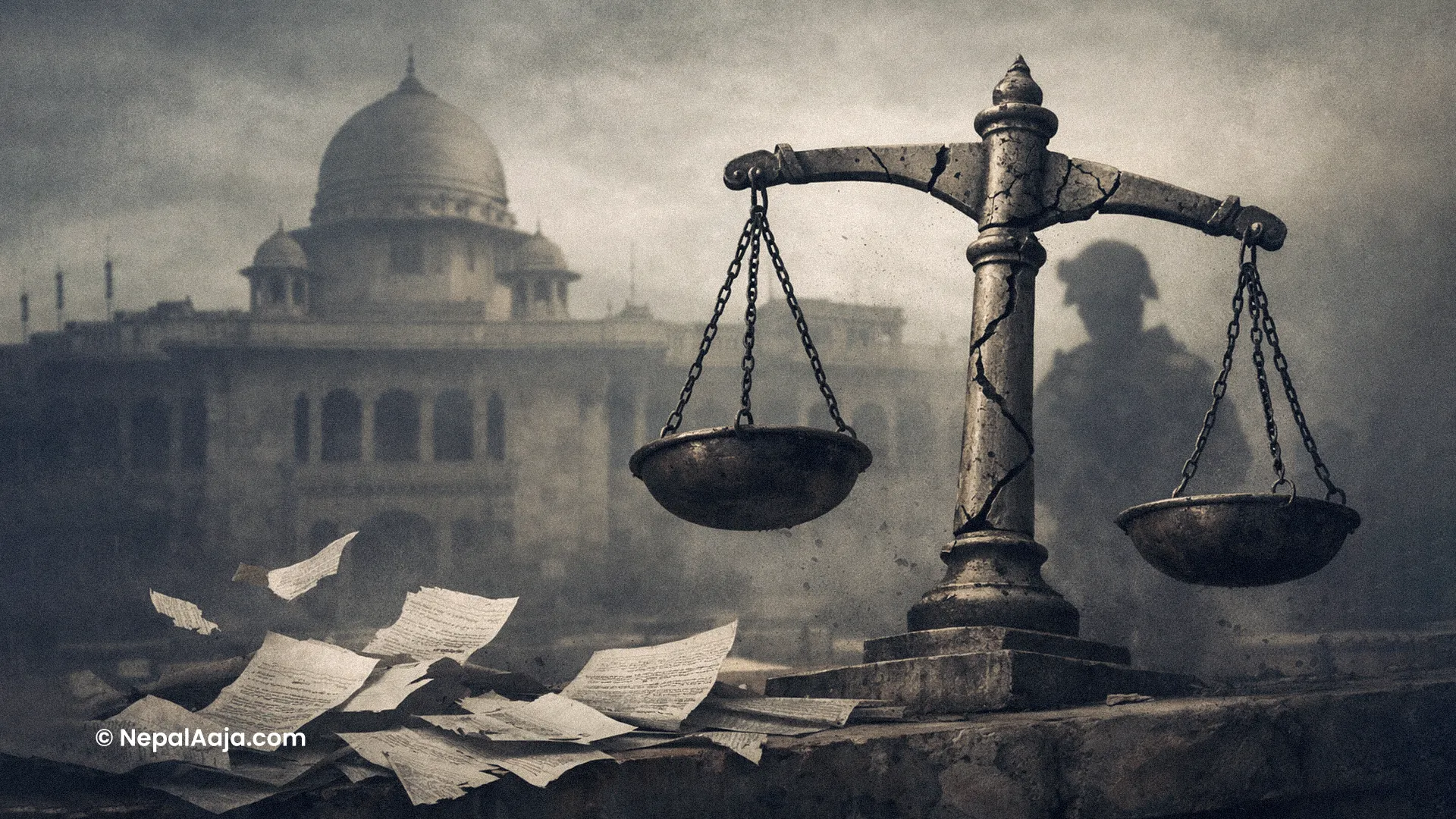
Governance concerns have intensified following the 27th constitutional amendment, which analysts say weakened judicial independence by enabling greater executive and military influence over legal processes. As a result, political opponents, journalists, and human rights defenders have increasingly faced legal action without robust safeguards.
Economic indicators further reflect institutional strain. Foreign debt has reached historic levels, youth migration is accelerating, and public health programs—such as polio vaccination campaigns—have reportedly stalled due to funding shortages. The growth of fake doctors and illegal clinics has added to concerns about regulatory collapse.

Interested in this ad?
Would you like to continue to the link or provide your information for more details?
Please provide your information
To continue, please fill in your details
On the social front, Pakistan is increasingly identified as one of the most insecure environments for minorities. Attacks against Christians, transgender individuals, Ahmadis, and other religious or cultural groups are rising, with international human rights organizations noting persistent state silence and, in some cases, indirect protection.
Analysts also point to a power structure centered outside parliament. The military is widely viewed not only as a security institution but as a dominant economic actor, with expanding influence over media, courts, and political parties.
Taken together, these trends have led analysts to characterize Pakistan as a “gray state”—where laws exist on paper and institutions in name, but authority remains concentrated among limited actors. While the country has not collapsed, its capacity to provide stability, security, and opportunity to citizens is steadily eroding, suggesting a prolonged structural challenge rather than a temporary crisis.