

A profound wave of interfaith harmony and cultural solidarity is sweeping across Nepal today as the Muslim community celebrates the grand festival of Eid-ul-Fitr. Marking the official conclusion of Ramadan, the holy month of fasting, the festivities are highlighting a nationwide commitment to peace, social equity, and brotherhood.
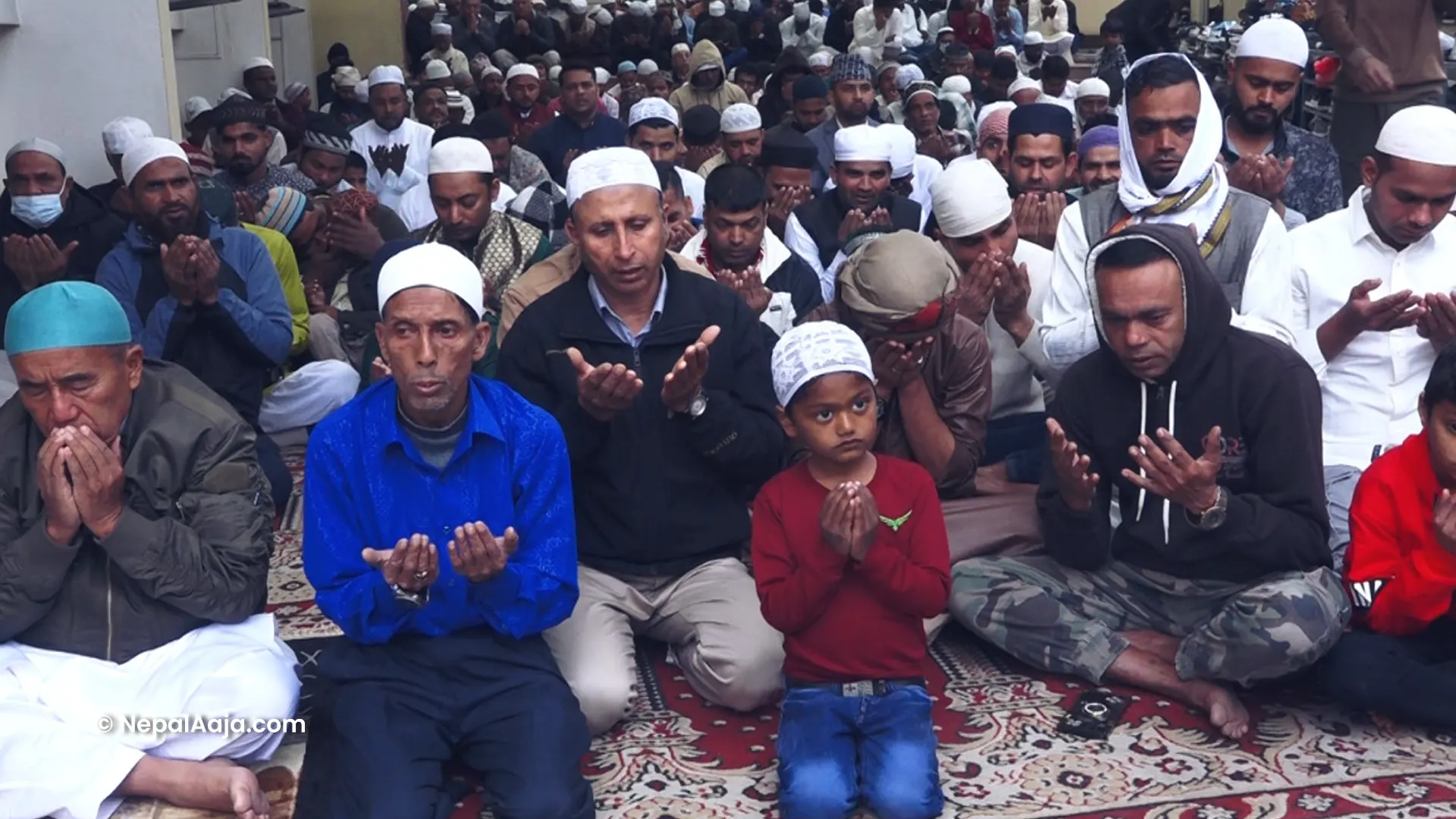
The celebration commenced following the sighting of the new moon, prompting massive morning gatherings at Eidgahs and mosques across the country. In the capital, prominent locations such as the Jame Masjid and Kashmiri Masjid near Ghantaghar witnessed an overwhelming turnout of devotees. Dressed in new attire, worshippers congregated to perform collective Namaz, dedicating their prayers to the nation's prosperity and enduring peace.

Interested in this ad?
Would you like to continue to the link or provide your information for more details?
Please provide your information
To continue, please fill in your details
Beyond the iconic exchanges of embraces and greetings of "Eid Mubarak," the festival carries significant socioeconomic weight. A core pillar of today’s observance involves the distribution of Zakat and Fitra—mandatory charitable contributions directed toward the poor and marginalized. This formalized system of giving actively promotes economic equality and ensures that underprivileged populations are included in the celebrations.
As families and friends gather to share traditional delicacies like Sewai and dates (Khajur), the impact of the festival extends far beyond the Muslim community. These shared cultural practices and communal feasts are anticipated to further cement the deep-rooted mutual respect and unity that characterize broader Nepali society.