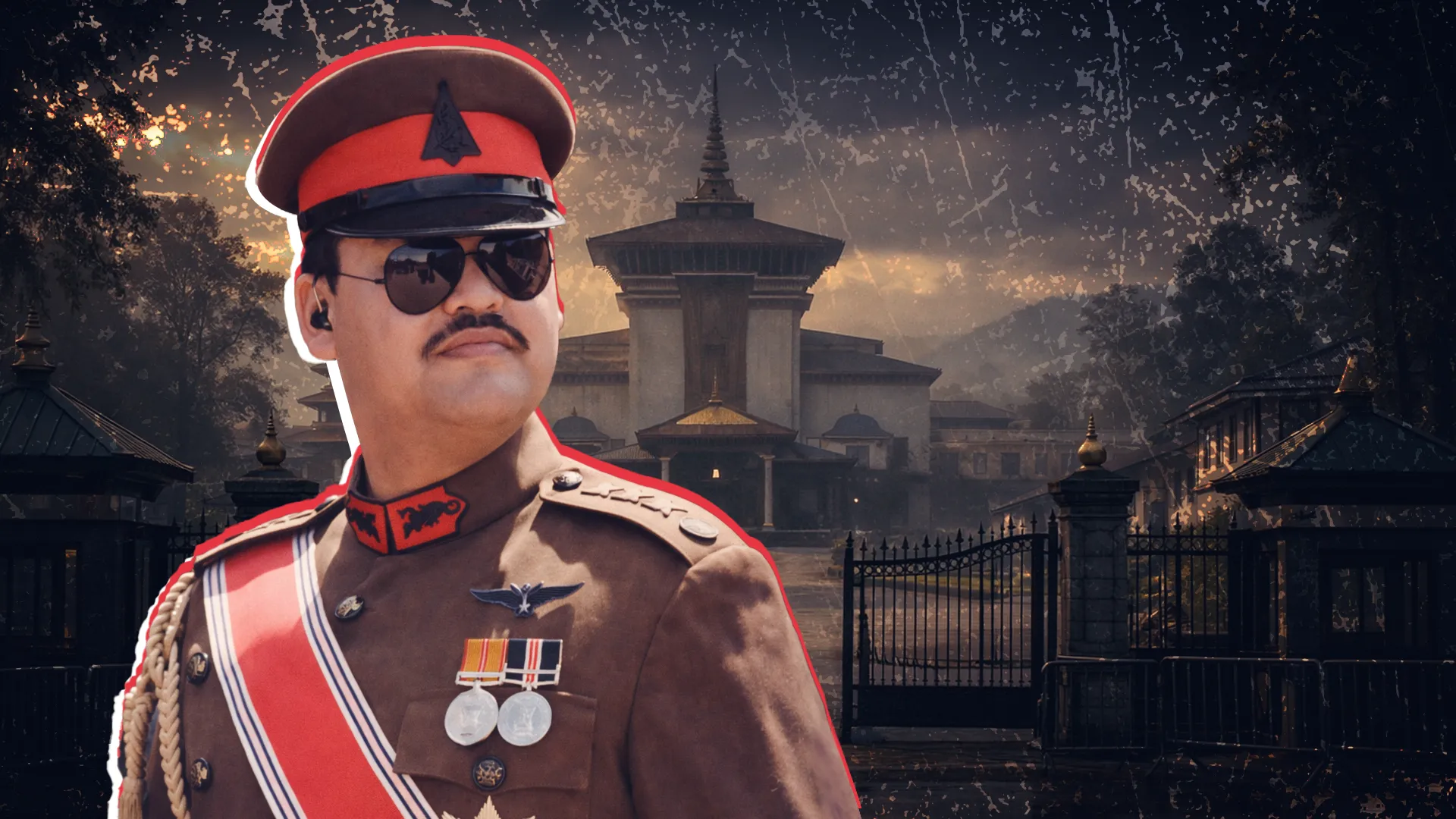
The Promise of a Modern Heir
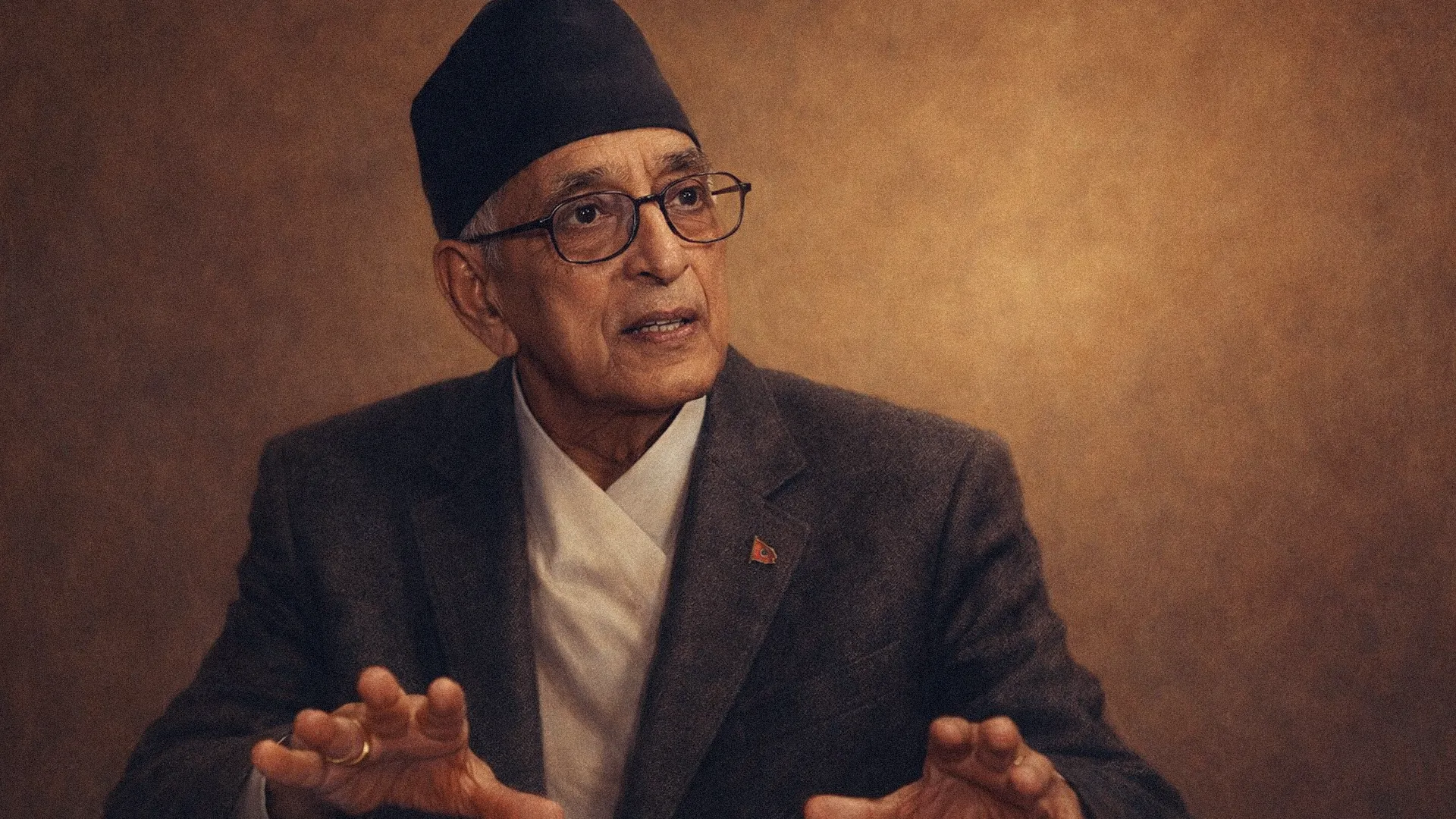
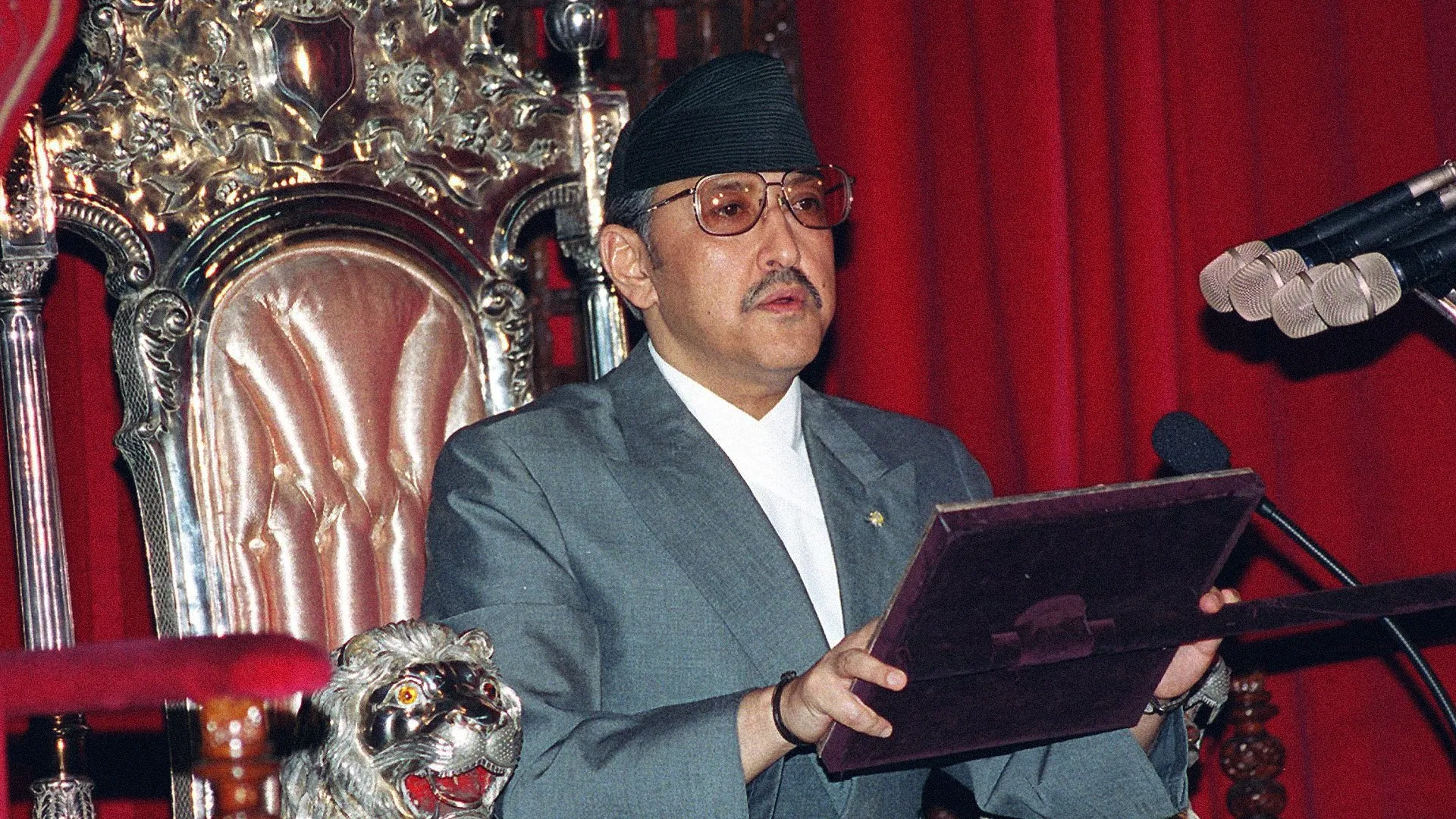
Dipendra Bir Bikram Shah Dev, born on June 27, 1971, within the opulent walls of the Narayanhiti Royal Palace, was groomed to be the modern face of an ancient dynasty. As the eldest son of King Birendra and Queen Aishwarya, his early life was marked by a blend of rigorous tradition and progressive education. Unlike his predecessors, Dipendra attended Budhanilkantha School in Kathmandu, a decision that endeared him to the public as a "homegrown" prince. His academic and athletic prowess further solidified this image; he topped his Master’s batch in Geography at Tribhuvan University, earned a black belt in Karate, and trained as a pilot. His time at Eton College in the United Kingdom, however, introduced him to Western liberalism, sowing the seeds for a lifestyle that would eventually clash with the rigid expectations of the Nepali court.
The "Bad Boy" Behind the Palace Walls
While publicly celebrated as a charismatic and approachable "People's Prince," Dipendra lived a volatile double life hidden from the citizenry. Official investigations and testimonies from palace aides revealed a man struggling with substance abuse, frequently consuming alcohol and smoking hashish-laced cigarettes. Beyond his partying habits, he harbored an obsession with firearms, amassing a private arsenal of modern automatic weapons, including MP5 submachine guns and M16 rifles, which he often carried even within his private quarters. This dangerous mix of heavy intoxication and weapon access was compounded by a temperament described by staff as moody and prone to violent outbursts when his wishes were denied.
Love Versus Lineage

Interested in this ad?
Would you like to continue to the link or provide your information for more details?
Please provide your information
To continue, please fill in your details
The central conflict of Dipendra’s life revolved around his intense, long-term relationship with Devyani Rana, the daughter of Pashupati Shamsher J.B. Rana and Usha Raje Scindia. Despite Devyani’s aristocratic background, Queen Aishwarya strongly opposed the match due to complex lineage disputes and the immense wealth of the Scindia family, which reportedly created an ego clash with the Shahs. The situation reached a breaking point when King Birendra and Queen Aishwarya issued a stark ultimatum: Dipendra could either marry Devyani and forfeit his claim to the throne in favor of his younger brother, Prince Nirajan, or marry the family’s choice, Supriya Shah, to remain the heir apparent. On the night of June 1, 2001, phone records confirmed that Dipendra spoke to Devyani multiple times, slurring his words so heavily that she called his aides to check on him, sensing his instability.
The Massacre on Black Friday
The tension culminated in a horrific explosion of violence on the evening of June 1, 2001, during a customary family dinner at the Tribhuvan Sadan. Heavily intoxicated and dressed in army combat fatigues, Dipendra armed himself with an MP5 submachine gun and an M16 rifle. In a spree that altered the course of Nepalese history, he first shot his father, King Birendra. He then methodically targeted other royals, killing his brother Prince Nirajan, his sister Princess Shruti, his uncle, and his aunts. The carnage ended in the palace garden, where he confronted and shot his mother, Queen Aishwarya, before turning the gun on himself.
The King in a Coma and a Legacy of Doubt
Dipendra was found near a bridge in the garden with a gunshot wound to the head. In a bizarre twist of constitutional necessity, the unconscious prince was declared King of Nepal on June 2, 2001, while on life support at Birendra Military Hospital. He reigned for three days in a coma before being declared dead on June 4, 2001. His death sparked riots and curfews in Kathmandu, fueled by the "left-handed theory"—a persistent conspiracy born from the forensic fact that the right-handed prince had sustained a bullet wound to his left temple. While official reports concluded it was suicide, the skepticism shattered the monarchy's moral authority. The subsequent reign of his uncle, King Gyanendra, failed to restore public trust, leading to the abolition of the 240-year-old Shah dynasty in 2008. Today, Dipendra is remembered as a tragic figure who destroyed the very institution he was born to save.