

Recent international security analyses have sparked debate about the performance of some Chinese-made weapons used in active conflict zones.
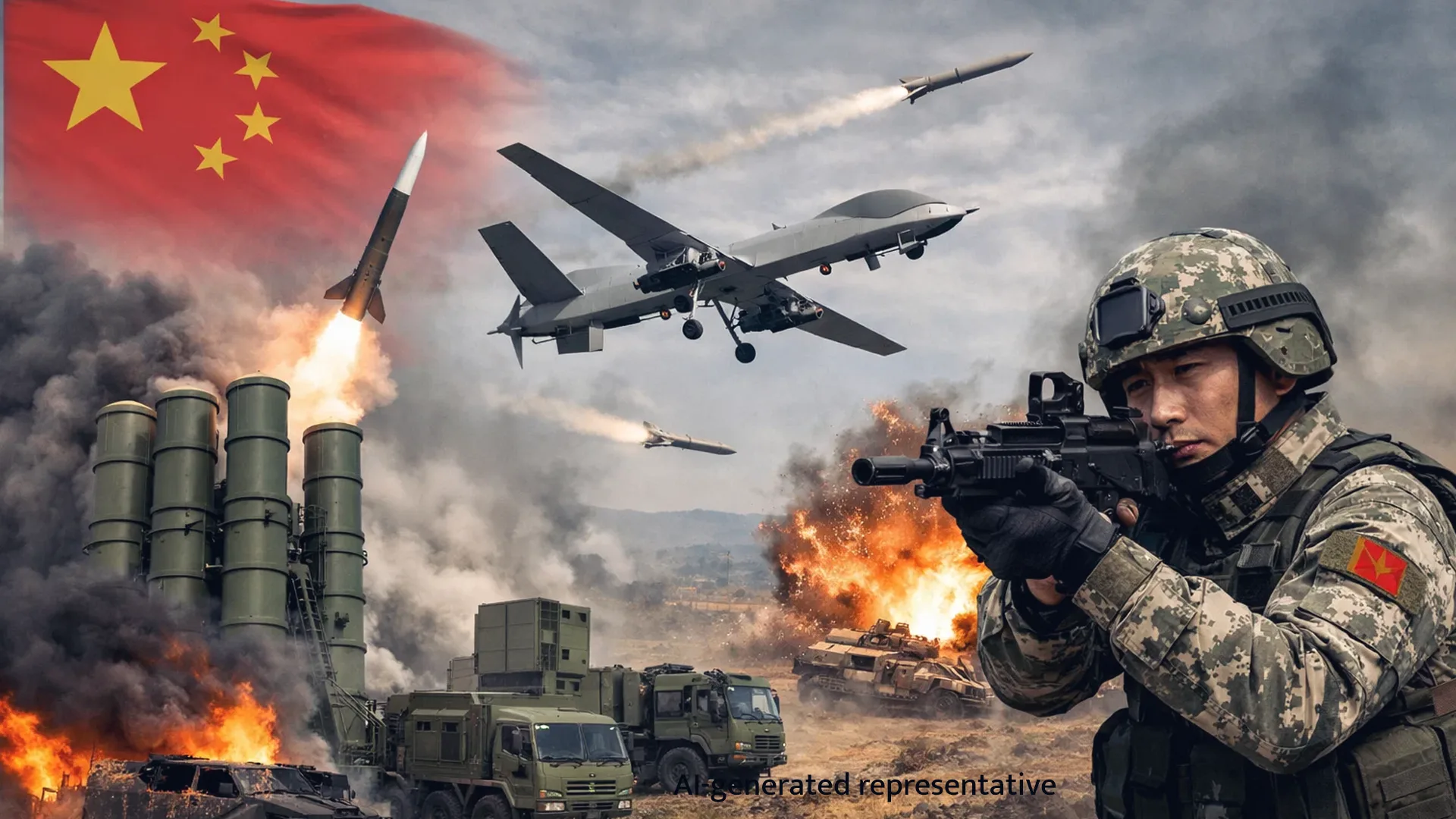
According to reports cited by defense observers, several military systems produced by China—including certain missile platforms and air defense technologies—have faced questions about their effectiveness when deployed in real battlefield environments.
Security analysts say reports from conflicts in the Middle East and other regions suggest that some of these systems did not perform as expected under combat conditions. These observations have prompted broader discussions about the reliability and operational capability of China’s defense equipment.
In particular, some analysts have pointed to air defense systems that reportedly struggled to intercept incoming missiles at the expected success rate. However, Chinese authorities have not publicly responded to these claims or issued an official statement addressing the reports.

Interested in this ad?
Would you like to continue to the link or provide your information for more details?
Please provide your information
To continue, please fill in your details
Over the past decade, China has emerged as one of the world’s major exporters of military equipment. Countries across Asia, Africa and the Middle East have purchased Chinese weapons, often attracted by comparatively lower costs and flexible financing arrangements.
Experts warn that if concerns about battlefield performance continue to grow, they could influence China’s position in the global defense export market. Competing defense industries in the United States, Europe and Russia also remain active players in international arms sales.
Several countries in South Asia also operate Chinese-made military systems. Security analysts say that ongoing debates about their battlefield performance may shape future defense procurement decisions and regional security planning.
Analysts note that real conflict environments often serve as the ultimate testing ground for military technologies, and lessons drawn from these situations can influence future defense strategies and technological development.