

The signing of the Belt and Road Initiative (BRI) agreement with China has proven to be a fatal political misstep for Nepal's leading politicians, triggering a youth-led revolution that has essentially marginalized the country's top leadership.
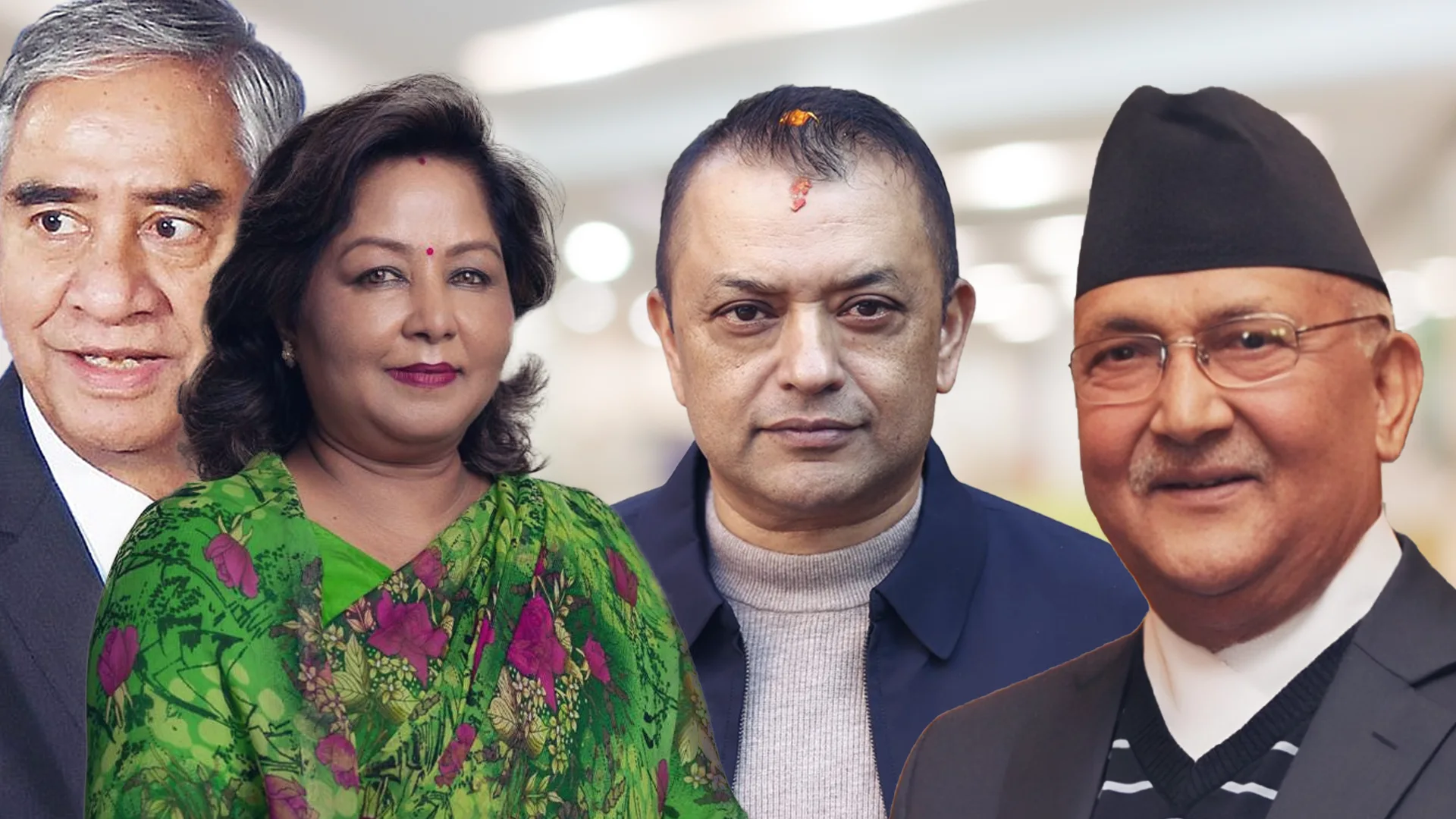
During KP Sharma Oli’s tenure as Prime Minister, with Nepali Congress leader Arzu Rana Deuba serving as Foreign Minister, the government finalized the controversial BRI pact. This period was marked by a surprising alliance, as then-General Secretary Gagan Thapa openly defended Oli’s administration in and out of parliament, earning the Prime Minister's strong favor. Behind closed doors, Thapa and his trusted associate, advocate Semanta Dahal, were instrumental in pushing the agreement forward on behalf of the Congress party.
However, this geopolitical maneuvering ignited the massive "Gen-Z" protests across the nation. The public backlash was immediate and severe, exacting a heavy toll on the pact's architects. KP Sharma Oli was not only swept from power but also saw his nationwide political clout severely diminished.

Interested in this ad?
Would you like to continue to the link or provide your information for more details?
Please provide your information
To continue, please fill in your details
The public anger spilled into the streets, culminating in unprecedented physical attacks against then-Congress President Sher Bahadur Deuba and Foreign Minister Arzu Rana. In the tumultuous aftermath, a special convention elevated Gagan Thapa to the party presidency. Yet, voters did not forget his instrumental role in the BRI deal and his alignment with the ousted government, heavily punishing his leadership with a crushing defeat in the recent elections.
Analysts now view the BRI signature—once touted as a strategic geopolitical maneuver—as the definitive catalyst that ended the era of these prominent political figures, permanently altering the nation's political trajectory.